Cedi remains under pressure despite IMF programme progress
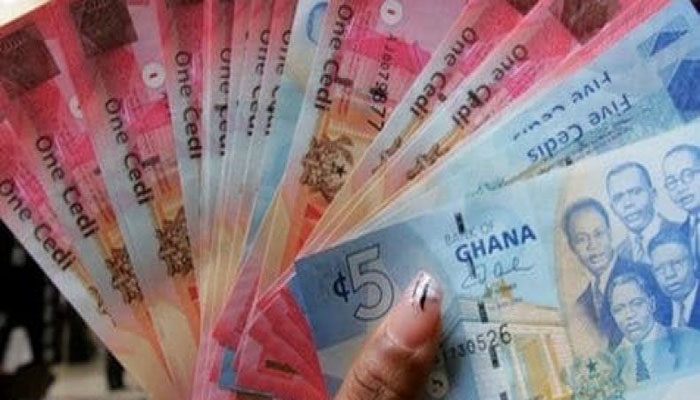
The Ghanaian cedi continues to face significant pressure as demand for foreign exchange remains high, despite encouraging advancements under the International Monetary Fund (IMF) Economic Credit Facility programme.
The sustained demand, from both offshore and local markets, has resulted in consistent depreciation of the cedi against major global currencies, keeping the local unit under strain.
During the previous week, the cedi saw declines against the U.S. dollar, British pound, and the euro. As part of efforts to meet demand, the Bank of Ghana held a foreign exchange auction, accepting all bids totalling $89.3 million.
However, despite this injection, the local currency lost 1.06% week-on-week against the dollar, settling at a mid-rate of GH¢16.55 per dollar. It also saw slight declines against the pound and euro, depreciating 0.23% and 0.28% respectively.
Starting the week at GH¢16.65 per U.S. dollar, the cedi has seen cumulative depreciation of over 26% since the beginning of the year, positioning it among the weakest performing currencies in Sub-Saharan Africa. Analysts attribute the prolonged depreciation to the strong and persistent demand for foreign exchange in both domestic and international markets, even as the Central Bank intervenes regularly through foreign exchange auctions. To address some of the demand this week, the Central Bank plans to auction an additional $20 million to support Bulk Oil Distribution Companies (BDCs). Analysts, however, remain cautious, noting that while this auction might ease some pressure, it is unlikely to fully stabilize the cedi as underlying demand for foreign currency persists.
Meanwhile, the Ghana Stock Exchange (GSE) has demonstrated resilience amidst the ongoing currency volatility. Beginning the week on a steady note, the GSE Composite Index remained at 4,369.03 points, representing a robust 39.58% year-to-date gain. Similarly, the GSE Financial Stock Index held firm at 2,215.22 points, with a year-to-date increase of 16.49%. Market capitalization saw a marginal gain of 0.01%, reaching GH¢99.5 billion, adding to an impressive 34.66% rise this year.
The steady performance of the GSE reflects a positive outlook from investors, even with fluctuations in the currency market. During trading, the New Gold ETF emerged as the only stock with a price increase, climbing GH¢3.94 to close at GH¢431.90. Trading activity saw a notable 22.85% uptick, with a total volume of 148,923 shares traded, leading to a turnover of GH¢4.46 million. Notably, MTN Ghana dominated trading, accounting for 84.34% of the total trading volume, showcasing continued investor interest in telecommunications.
In currency-specific trading, the cedi showed slight stability against the U.S. dollar, closing at GH¢16.15. However, year-to-date, it has depreciated by 26.44%. Against the British pound, the cedi weakened slightly, closing at GH¢20.96, a 0.03% decline for the day and a 27.81% depreciation year-to-date. Against the euro, the cedi declined by 0.04% to close at GH¢17.46, marking a 24.85% depreciation since January.
The contrast between the cedi’s performance and the GSE’s relative stability highlights two ongoing narratives in Ghana’s financial landscape: while currency depreciation remains a significant concern, especially given the strong demand for foreign exchange, the stock market’s stability suggests continued investor confidence. The GSE’s growth is particularly notable as it provides a counterbalance to the depreciating cedi, reinforcing the potential of domestic investments even amidst foreign exchange challenges.
The stability observed in GSE indices and market capitalization provides hope for investors, reflecting confidence in the resilience of Ghana’s capital markets, despite prevailing currency fluctuations. The continued stability in GSE performance amidst currency depreciation underlines the market’s role as a hedge against inflation and depreciation for domestic investors. If the government and Bank of Ghana can further stabilize the currency, Ghana’s financial markets may continue to serve as a platform for sustained economic growth. As the Central Bank works to stabilize the cedi and limit foreign exchange demand, all eyes will be on its upcoming auction. However, with Ghana’s foreign exchange needs increasing, particularly due to import pressures and debt service obligations, it remains uncertain whether these interventions will be sufficient to curb the cedi’s slide. The next few weeks will be critical in determining the cedi’s path forward, with lasting implications for both investors and consumers across Ghana’s financial landscape.