GHEITI urges PC to enhance transparency in Oil and Gas sector

The Ghana Extractive Industries Transparency Initiative (GHEITI) Secretariat, hosted by the Ministry of Finance and Economic Planning, has issued a key recommendation to the Petroleum Commission aimed at improving transparency and efficiency in Ghana’s oil and gas sector.
During a dissemination workshop for the 2021/2022 GHEITI reports, stakeholders emphasized the need for the Commission to streamline its presentation of license tenure and contractual details.
Mr. Francis Samanhyia of GHEITI’s Multi-Stakeholder Group highlighted that the current practice of documenting license durations in a dispersed manner across various individual accounts makes it difficult for users to access comprehensive information.
He recommended that the Petroleum Commission create a summarized table format that consolidates the tenure of licenses and other key contractual details for easy reference. This would significantly enhance the transparency of operations in the oil and gas sector, making it easier for the public, industry stakeholders, and regulators to monitor contracts and licenses.
The recommendation is expected to promote accountability and facilitate better decision-making by ensuring that critical information is readily accessible. The Commission’s adoption of this approach would align with best practices globally, improving Ghana’s standing in the international extractive industry and deterring potential corruption by increasing scrutiny over the management of resources.
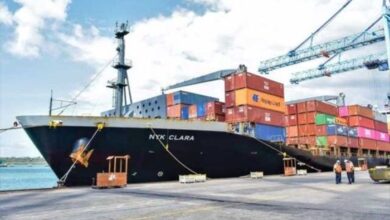
Beyond the call for enhanced transparency from the Petroleum Commission, the GHEITI report also highlighted Ghana’s crude oil export performance. In 2022, the country exported 67.5 million barrels of crude oil valued at $2.91 billion, representing 31.19% of the total merchandise exports for the year. Though lower than the $3.95 billion value recorded in 2021, the oil sector remains a vital component of Ghana’s economy, further underscoring the importance of transparent contract and license management.
The workshop also unveiled the inaugural Artisanal Small-Scale Mining (ASM) report, which, while acknowledging Ghana’s comprehensive legal framework, called for stronger enforcement and monitoring. Recommendations included decentralizing the ASM licensing process and increasing representation of small-scale miners in policy discussions to better address their concerns and promote sustainable development.
The Eastern Regional Minister, Mr. Seth Kwame Acheampong, also emphasized the government’s efforts to combat illicit financial flows in the extractive sectors, particularly through the establishment of a Beneficial Ownership (BO) disclosure regime. He noted that the Beneficial Ownership register, maintained by the Office of the Registrar of Companies (ORC), now enables authorities to quickly determine the true owners behind companies bidding for licenses, thereby reducing corruption and enhancing accountability in the awarding of contracts. In conclusion, the recommendation for the Petroleum Commission to simplify its presentation of license details marks a significant step towards improving transparency in Ghana’s extractive sectors. As the country continues to leverage its natural resources for development, these measures will help ensure better governance and the equitable distribution of benefits from the oil and gas sector.