Election 2024: Need for responsible communication
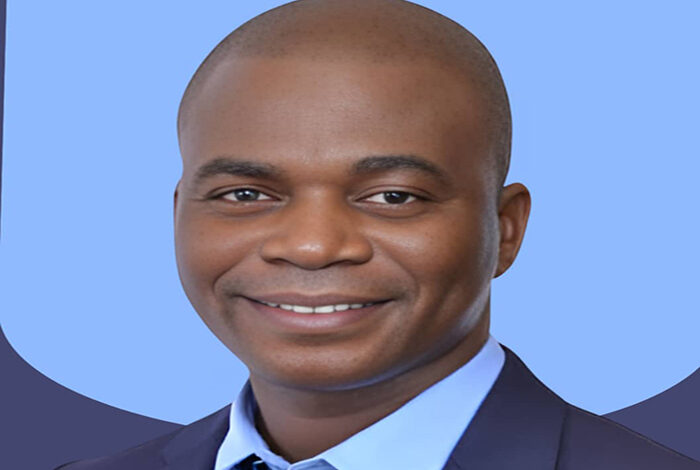
By: Azure Imoro Abdulai
As Ghana prepares for another crucial election in December 2024, the role of political communicators has never been more critical than now. These individuals, serving as the mouthpieces of their respective political parties, wield immense influence over public discourse and perception. Their words shape national dialogue, guide political debates, and, in many cases, sway the opinions of millions of citizens. With such a responsibility, political communicators must uphold ethical standards in their work, not only to protect the image of their parties but also to preserve the peace, stability, and democratic integrity of our beloved nation. Ghana has become a beacon of political stability in the region, and much of that success can be attributed to our collective commitment to democratic principles, including freedom of speech, political pluralism, and the peaceful transition of power. However, one of the cornerstones of this democratic journey is ethical communication—a responsibility that rests heavily on the shoulders of political spokespersons.
The Institute of Public Relations (IPR) Ghana has recently called on political communicators to engage in ethical political communication as the country gears up for the 2024 general elections. This call is timely and crucial, considering the heated nature of political discourse in an election year. Political parties will naturally seek to promote their ideals and policies while scrutinizing their opponents. However, such discourse must remain grounded in truth and respect for democratic values. Without this ethical foundation, political communication can become a tool of destruction rather than one of nation-building.
Ethical Political Communication Flourishes Democracy
Ethical political communication is the lubricant that oils the wheel of our democracy. The tenets of political communication support a healthy democratic environment, where citizens can make informed decisions and actively participate in governance. It revolves around truth, respect, and the avoidance of language that can incite violence, hatred, or division. In an election year, these principles become even more vital. Without a shared respect for the truth, democracy itself becomes compromised, and the risk of unrest grows exponentially.
Therefore, describing young Ghanaians as “criminals, rapists, hooligans, and hoodlums” simply because they have chosen to demonstrate against environmental destruction, illegal mining, and the devastation of our forest reserves is a clear violation of ethical communication. These youths are exercising their democratic right to draw attention to pressing national issues like polluted water bodies and environmental degradation. Resorting to such inflammatory language not only undermines the essence of political dialogue but also erodes trust in the very foundations of democracy.
Misinformation and Disinformation
We live in a time where misinformation can spread faster than ever, amplified by social media platforms and digital technologies. Political communicators must therefore navigate this landscape with care, ensuring that their messages are factual and contribute to constructive discourse. The spread of falsehoods, inflammatory rhetoric, and personal attacks may offer short-term gains for a political party, but the long-term damage to national cohesion and stability can be devastating. This is not just a call for ethical responsibility—it is a call for national duty Communicators must ensure that the information they provide is accurate, verified, and not misleading.
Truthfulness
Political communicators are custodians of the public trust. The cornerstone of ethical communication is honesty. In the heat of political campaigns, the truth may be uncomfortable or inconvenient, but sacrificing it puts democracy at risk. When they speak on behalf of their parties, they represent not only their political interests but also the interests of the nation. Ghana’s future—its peace, prosperity, and democracy—depends on how they choose to communicate, especially in this election period. The consequences of unethical communication are stark.
History has shown that inflammatory speech, unverified claims, and divisive rhetoric can fuel tensions, escalate conflicts, and even lead to violence. As we approach the election, the stakes are high, and the need for responsible communication is urgent. Political communicators must resist the temptation to engage in sensationalism, manipulation, or propaganda, and instead champion dialogue that fosters unity, mutual respect, and informed decision-making.
Respectful Discourse and Promotion of Peace
Political communication should elevate public discourse, not degrade it. Personal attacks, hate speech, and inflammatory language should be avoided at all costs. Respect for political opponents and their views is essential to maintaining a healthy democracy. Ghana’s stability has been a source of national pride. As political communicators, there is a duty to promote messages that contribute to peace rather than division. The use of language that incites violence or tensions should be strictly off-limits. Moreover, ethical political communication promotes inclusivity and respect for diverse opinions. In a democracy, dissent and protests are part of the political process, and individuals who engage in these activities should not be automatically branded as criminals or enemies of the state. Political communicators should seek to understand the root causes of protests and address them through constructive dialogue, rather than resorting to derogatory labels that demonize and dehumanize citizens.
Accountability and Transparency
Political communicators must be accountable for their words and actions. They should be prepared to correct any misinformation they may have unintentionally spread and take responsibility for the impact of their communication on the broader society. Transparent communication builds trust. Political parties must communicate openly with the public about their policies, actions, and intentions. Hiding behind secrecy or using deception undermines the very principles of democracy.
This election year presents an opportunity for all Ghanaians, particularly political communicators to reflect on how they can contribute to a peaceful, inclusive, and democratic society. The ability to engage in political debate, to express different views, and to advocate for one’s political beliefs is a fundamental right, but it must be done with integrity and respect for others. As political communicators, you are the voice of your parties, but more than that, you are guardians of Ghana’s democratic ethos. Your role is vital not only for your political parties but also for the future of our nation. Your communication will influence not just the outcome of this election but also the direction in which our country moves in the years to come.
A Call for Reflection and Responsibility
In this election year, political communicators must reflect on the power they hold and how they can use it to contribute to peace rather than division. They must remember that Ghana’s democracy is still young and fragile, and the choices they make can either strengthen or undermine its future. The words they choose and the messages they convey will resonate across the country, influencing how citizens perceive both the political landscape and each other.
As we move forward towards the 2024 elections, political communicators must understand that democracy thrives on the free exchange of ideas, but this freedom comes with the responsibility to be ethical. Their role is not just to promote their parties but also to protect the peace and unity of Ghana. By committing to ethical communication, they can help build a nation where dialogue, respect, and truth prevail, ensuring that Ghana continues to be a shining example of democracy in Africa.
The writer is a Political Communication Analyst (Imoro2020@gmail.com)