Ghana launches electronic money issuers chamber
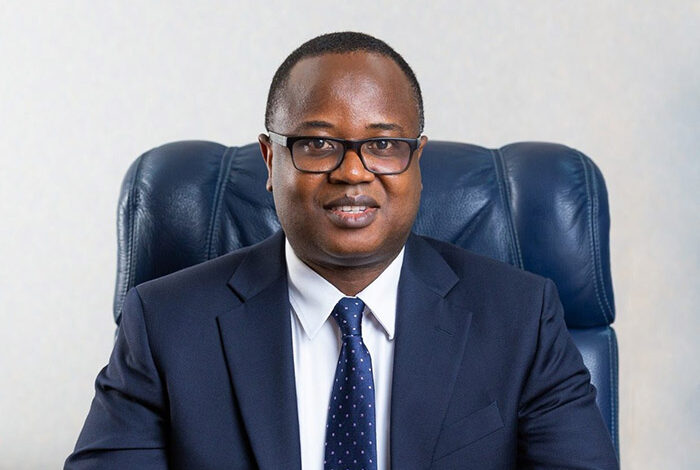
The Bank of Ghana (BoG), led by First Deputy Governor Dr. Maxwell Opoku-Afari, has inaugurated the Electronic Money Issuers (EMI) Chamber of Ghana, marking a significant milestone in the country’s digital financial landscape.
This new body will focus on advancing mobile money services and electronic payments, critical tools in Ghana’s mission to foster financial inclusion and economic growth.
In his keynote address, Dr. Opoku-Afari emphasized the importance of the EMI Chamber in shaping the future of financial services in Ghana, particularly as the mobile money sector continues to grow and transform the way Ghanaians interact with financial institutions. “Today’s launch signals the beginning of a new chapter in our digital financial landscape, where collaboration, innovation, and advocacy will work closely to increase financial inclusion, improve the efficiency of our payments systems, and create opportunities for economic growth,” he said.
Mobile Money’s Impact on Financial Inclusion
Ghana’s mobile money industry has seen rapid growth over the years, becoming deeply integrated into everyday life. With nearly 23 million active mobile money wallets, mobile financial services have provided accessible and affordable payment options for millions of Ghanaians, many of whom were previously excluded from formal banking systems. In addition to facilitating payments, mobile money has enabled access to other financial products, such as insurance, pensions, and investments, contributing to deeper financial inclusion.
Dr. Opoku-Afari highlighted the role of mobile money in transforming financial services in Ghana, replacing the need for physical cash transactions and long bank queues with more efficient, safe, and convenient digital services. “The advent of financial technology has fundamentally redefined the way we transact, interact, and access financial services,” he stated.
Economic and Employment Benefits
The EMI Chamber will not only support the growth of the mobile money sector but also create significant economic and employment opportunities. Over 800,000 registered mobile money agents across the country are contributing to a float account balance of GHS 22 billion held by local banks. This large-scale operation has provided employment to many Ghanaians, particularly the youth, helping to address the issue of unemployment in the country.
The Deputy Governor also acknowledged the Ghana Telecommunications Chamber, which has played a key role in advocating for the growth of mobile money services and facilitating the digital finance ecosystem. However, with the increasing complexity and growth of digital finance, Dr. Opoku-Afari stressed the need for a dedicated body to represent electronic money issuers, which led to the establishment of the EMI Chamber.
Enhancing Ghana’s Digital Payments Landscape
The Ghana Interbank Payment and Settlement Systems (GhIPSS) has also been instrumental in advancing the country’s digital payments sector. The introduction of Mobile Money Interoperability has allowed seamless transfers between mobile money platforms and traditional bank accounts, further boosting financial inclusion. According to the 2021 FinScope Report, Ghana now has a financial inclusion rate of over 90%, a major achievement for the country’s financial sector.
The establishment of the EMI Chamber comes at a time when digital payments in Ghana have matured, presenting both opportunities and challenges for electronic money issuers. The Chamber will be tasked with advocating for policies and regulations that ensure the safe and sustainable growth of the industry, particularly in areas such as cybersecurity, anti-money laundering, and consumer protection.
A Vision for the Future
Dr. Opoku-Afari reiterated the Bank of Ghana’s commitment to working closely with the EMI Chamber to create a future where every Ghanaian, regardless of their location or socioeconomic status, has access to affordable and convenient mobile financial services. He also stressed the importance of continued compliance with regulatory requirements to ensure the security and sustainability of the digital financial sector.
“We look forward to working closely with the EMI Chamber to create a future where every Ghanaian, regardless of their location or socioeconomic status, has access to affordable and convenient mobile money financial services,” he concluded. As Ghana embarks on this new journey, the Bank of Ghana and the EMI Chamber will focus on enhancing financial inclusion, promoting innovation, and ensuring the resilience of the digital payments sector. The launch of the EMI Chamber represents a pivotal moment in Ghana’s financial sector, one that promises to drive further economic growth and create a more inclusive digital economy for all Ghanaians.