Reinvesting mining royalties: A prudent call
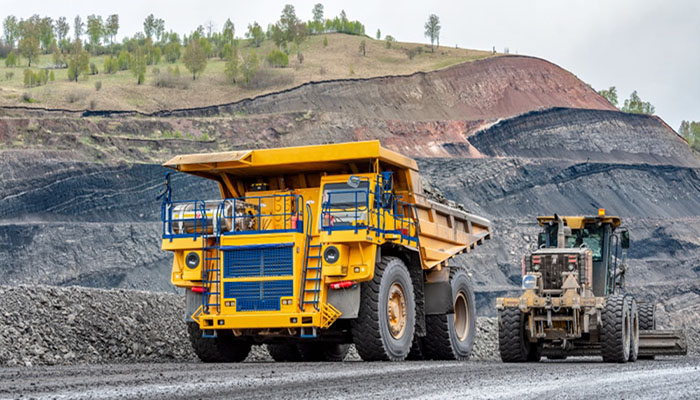
THE recent call by Civil Society Organizations (CSOs) to reinvest mining royalties into local communities is a timely and crucial initiative. The campaign, dubbed ‘Reinvest Royalties’, seeks to channel the significant revenues generated from small-scale mining back into the very areas where these resources are extracted.
It is a commendable effort which, if implemented effectively, could transform mining communities, empower local economies, and help curb the destructive practice of illegal mining, known as ‘galamsey’.
Mining in Ghana, while vital to the country’s economy, has often been a double-edged sword. On one hand, it contributes significantly to GDP, employment, and foreign exchange.
On the other, many mining communities remain impoverished, with poor infrastructure, limited social services, and severe environmental degradation.
This stark disconnect between the wealth generated from mining and the conditions in mining regions has long been a source of frustration and, in some cases, a driver of illegal mining activities.
The ‘Reinvest Royalties’ campaign recognizes that addressing this disparity is key to sustainable development. By reinvesting royalties into local infrastructure projects such as schools, hospitals, and environmental protection initiatives, the government can foster local wealth creation.
This strategy could also provide the much-needed incentive for illegal miners to transition into formal, regulated operations. Communities that directly benefit from mining royalties will be more likely to support regulated mining, as they would see tangible improvements in their daily lives.
Furthermore, the campaign’s emphasis on environmental protection cannot be overstated. Ghana has lost billions of dollars to illegal mining, not just in terms of gold smuggling, but also through the long-term destruction of its natural resources.
Mining royalties could fund environmental initiatives such as geological surveys, eco-friendly extraction methods, and land reclamation projects. These are critical steps in ensuring that mining activities do not leave behind a legacy of environmental devastation.
However, the success of this initiative will depend largely on the government’s ability to create the right regulatory framework. Forced regulation, as the campaign rightly points out, is not the solution.
Mining communities must feel that they are stakeholders in the process. Transparency in how royalties are allocated and utilized is essential. Corruption, mismanagement, or a failure to deliver on promises would only breed more resentment and further entrench illegal mining practices.
The proposed model, where better regulation leads to more royalties, and in turn, stronger communities, presents a viable cycle of growth. It also positions local communities as partners in Ghana’s broader effort to regulate its extractive industries. This sense of ownership is critical if Ghana is to win the fight against illegal mining and foster long-term development in mining regions.
As Ghana continues to lose billions of dollars annually due to illegal mining, the case for better regulation and reinvestment becomes even more compelling. The government must seize this opportunity to act on the recommendations of the ‘Reinvest Royalties’ campaign. Not only would this strategy help eradicate galamsey, but it would also ensure that the wealth derived from Ghana’s mineral resources benefits the people who need it the most.