Invest in tourism industry- Prof Eshun
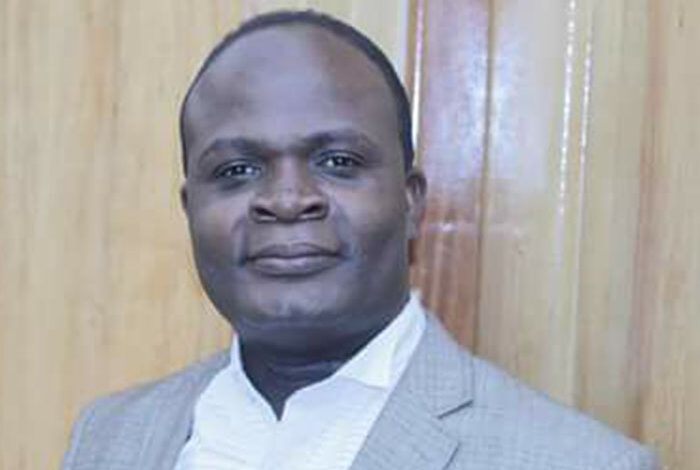
TOURISM and management expert, Professor Gabriel Eshun, has called on Ghana’s private sector to capitalize on the immense opportunities within the country’s tourism industry.
Speaking during an interview on ZED 101.9 FM’s Zed in the Morning program, Prof. Eshun emphasized the potential of tourism to significantly boost the nation’s economy and urged the private sector to take a more active role in driving growth.
The interview was anchored on the ongoing Inter-Tourism Expo, themed ‘Sustainable Public-Private Partnerships and Equitable Tourism Investments,’ highlighting the importance of collaboration between stakeholders to maximize tourism’s economic potential.
Prof. Eshun noted the substantial contribution of the tourism sector to Ghana’s economy in recent years, noting that in 2023, the travel and tourism industry contributed over $3.6 billion to Ghana’s Gross Domestic Product (GDP), up from $3.4 billion in 2022. This upward trend, he explained, demonstrates the growing importance of the sector and the need for increased investment.
During the interview, Prof. Eshun stated, “Ghana has a comparative advantage when it comes to tourism. There’s something that we can offer as a country, looking at the offerings that we have—the coastline, our gastronomy, and our rich cultural heritage.”
He also pointed out Ghana’s unique position as a central location for the history of the transatlantic slave trade, with 75% of the sites connected to this history located within the country.
This rich cultural and historical legacy, coupled with Ghana’s natural beauty and diverse attractions, gives the country a significant edge over others in the tourism industry. “Tourism is the new gold,” Prof. Eshun declared, urging the private sector to see the potential in tourism and hospitality and related sectors as avenues for wealth creation and economic progress. He stressed that Ghana has the capability to turn tourism into a sustainable driver of development.
Prof. Eshun also argued that while government and state agencies can help facilitate the growth of the tourism and hospitality sector, real progress will require strong private-sector engagement.
“The main economic system of the world now is capitalism, and capitalism has the private sector at its core. So the government and its parastatal agencies can only help to an extent in our tourism and hospitality development. The private sector is the key to the development we are looking for,” he explained.
He further noted that Ghana’s tourism potential remains underutilized, with untapped areas of investment in accommodation, transport, food services, and entertainment. For example, the country’s coastal regions, which boast pristine beaches and historical forts, remain underdeveloped compared to other tourism hotspots in Africa.
With the right investments from the private sector, these areas could become major tourist destinations, attracting visitors from around the world.
Ghana’s unique cultural heritage, including festivals, art, and music, also presents untapped opportunities for private-sector investment. By building more infrastructure and improving services, private investors can contribute to making Ghana a global tourism hub, ultimately boosting job creation, foreign exchange earnings, and economic development.
As the tourism sector continues to grow, Prof. Eshun believes that increased collaboration between the government and the private sector will be vital. He called on private investors to seize the opportunities in the tourism industry, stating that with the right support and investment, Ghana’s tourism sector has the potential to become a major pillar of the national economy.
The interview concluded with Prof. Eshun’s optimistic outlook on the future of tourism in Ghana, encouraging the private sector to lead the charge in transforming the industry and making it a cornerstone of the country’s economic success.
Key points from Prof. Gabriel Eshun’s interview:
- Ghana’s tourism industry contributed over $3.6 billion to the country’s GDP in 2023, up from $3.4 billion in 2022.
- The country has a unique comparative advantage in tourism due to its rich cultural heritage, historical significance in the transatlantic slave trade, and natural attractions.
- Private sector investment is crucial for the continued growth and development of tourism and hospitality in Ghana.
- The government’s role is supportive, but the private sector must take the lead in driving tourism-related economic development.
Opportunities for investment include infrastructure development, accommodation, transport, food services, and entertainment.