Unions urge govt to reverse winter fuel payment cuts for pensioners
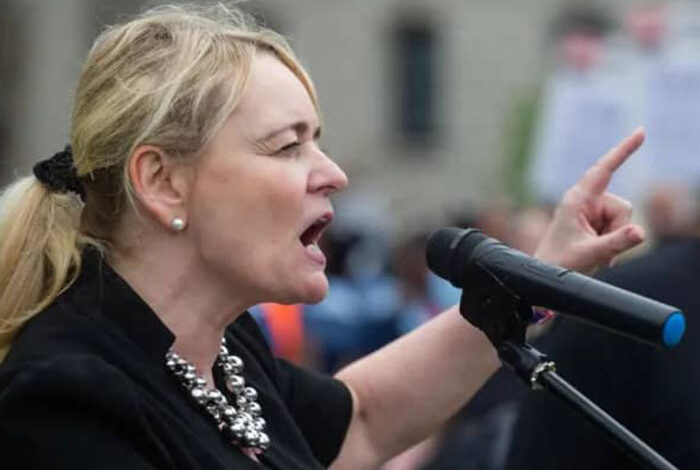
Two of the UK’s largest unions are increasing pressure on the government to reverse its plan to cut winter fuel payments for millions of pensioners in England and Wales. Unite’s general secretary, Sharon Graham, and Fran Heathcote, head of the Public and Commercial Services (PCS) union, have both spoken out against the proposal, calling for immediate changes to protect vulnerable pensioners.
Sharon Graham told the BBC that the government should “do a U-turn” on the cuts, suggesting that instead of cutting payments, the government could implement a wealth tax to boost public finances. “Leadership is about making tough decisions but also recognizing when something is wrong,” she said, urging the government to reconsider its stance.
Fran Heathcote echoed similar concerns, describing the cuts as a “misstep” that must be “put right.” She warned of a “real backlash” if the government continues down this path, hinting at possible industrial action in response to the policy.
Paul Nowak, head of the Trades Union Congress (TUC), which represents numerous unions, also urged the government to “rethink” the decision. He raised concerns about the impact of means-testing the winter fuel payments, which would remove financial support for many pensioners. “I hope the chancellor will announce measures in the Budget to help pensioners who aren’t on pension credit but still struggle financially,” Nowak said.
Under the proposed policy change, more than 10 million pensioners will no longer receive the winter fuel payments of between £200 and £300 annually. Instead, the payments will be reserved for those on low incomes who receive specific benefits, such as pension credit. However, it is estimated that nearly 880,000 eligible pensioners have not claimed pension credit, meaning many will miss out on the support they need.
One such pensioner is Marilyn, 70, from Paignton, Devon. She shared her concerns with the BBC, saying, “I am extremely worried. The cost of living already puts a big strain on my low income, which is my state pension.” Marilyn explained that she is not eligible for pension credit due to her savings, which she keeps as an emergency fund, and now fears for her financial stability this winter.
Despite growing criticism, Prime Minister Sir Keir Starmer has defended the decision, stating that his government must make “tough decisions” in light of the country’s current financial situation. In an interview with the BBC’s Laura Kuenssberg, he acknowledged that the cuts would be unpopular but argued that previous governments had avoided confronting the issue. “When we talk about tough decisions, I’m talking about… the things the last government ran away from,” he said.
Starmer’s stance has triggered backlash not only from unions but also from charities and MPs, who fear that the cuts will disproportionately affect pensioners with modest incomes who do not qualify for pension credit. With a Commons vote on the matter looming, Sir Keir faces the possibility of a rebellion within his own party, as pressure mounts to reconsider the policy. As the debate continues, the unions remain steadfast in their demands. Graham reiterated that the government must be “big enough and brave enough” to reverse the decision, warning that the country’s most vulnerable pensioners should not be made to shoulder the burden of economic challenges.