

Bangladesh’s garment industry faces uncertainty
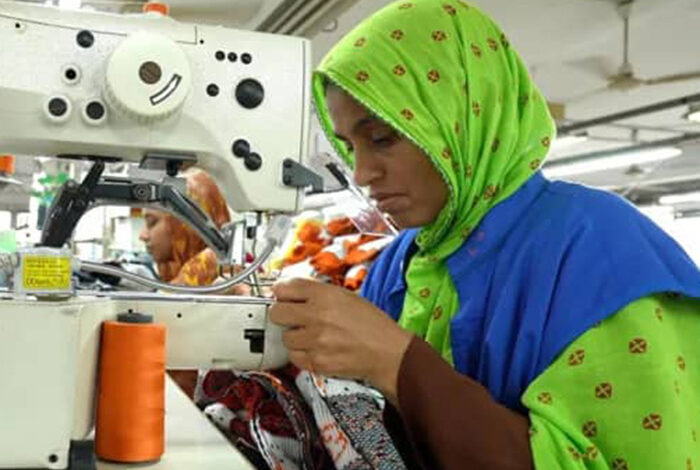
Bangladesh, long regarded as the backbone of the global fast fashion industry, is grappling with severe political and economic turmoil. The country’s $55 billion (£42 billion) garment sector, which supplies major brands like H&M, Gap, and Zara, is now facing an uncertain future following the collapse of Sheikh Hasina’s government in August amid widespread protests. The unrest claimed hundreds of lives and has disrupted factory operations, further threatening the industry’s stability.
Impact on Garment Industry
The garment sector has been a cornerstone of Bangladesh’s economic transformation over the past three decades, lifting the nation from poverty to lower-middle-income status. However, in recent weeks, the industry has been significantly affected. Several factories were set ablaze, while others struggled to operate due to an internet blackout imposed during the crisis. Major brands, including Disney and Walmart, have already begun exploring alternative sourcing options for next season, as the situation in Bangladesh remains volatile.
The disruption is expected to worsen, with 60 factories outside Dhaka scheduled to close on Thursday due to ongoing worker protests. Employees have been demanding better wages as the cost of living continues to rise. “Recent events will impact the confidence level of brands,” warned Mohiuddin Rubel, a director at the Bangladesh Garment Manufacturers and Exporters Association. He also noted that rival garment-producing nations like Vietnam could benefit from the uncertainty.
Kyaw Sein Thai, who operates sourcing offices in both Bangladesh and the US, predicts that the political unrest could result in a 10-20% drop in garment exports this year. Given that fast fashion exports account for 80% of Bangladesh’s foreign earnings, such a decline would be a major blow to the economy.
Economic Troubles Exacerbated by Political Instability
Bangladesh’s garment industry, already reeling from previous crises such as child labor scandals, deadly factory accidents, and the economic fallout from the COVID-19 pandemic, now faces an even bleaker outlook.
Dr. Ahsan Mansur, the newly appointed governor of Bangladesh’s central bank, told the BBC that the country is in a “difficult spot” and warned that it may take years to restore economic stability. He emphasized the need for additional financial support, including another bailout from the International Monetary Fund (IMF).
Challenges in the Workforce
The unrest that ousted Sheikh Hasina was driven by students frustrated over a lack of job opportunities. While Bangladesh’s garment sector has provided millions of jobs, many workers report earning less than half the national minimum wage, forcing them to take on loans to survive. Many joined the student-led protests, demanding better wages and working conditions.
A Call for Diversification
Economists, including Dr. Fahmida Khatun of the Centre for Policy Dialogue, argue that Bangladesh must diversify its economy to meet the aspirations of its educated youth. “No country can survive for a long time based on only one sector,” she said, adding that while attempts have been made to diversify, they have so far been limited to “the books.”
One glaring example of these failed efforts is a disused technology park near Dhaka, which was meant to create higher-paying jobs but now sits abandoned. The park highlights the gap between the government’s promises and the needs of industries. “Bangladesh has been investing in physical infrastructure, but how much have we invested in human infrastructure?” questioned software entrepreneur Russel T Ahmed.
Hopes Pinned on Interim Leader Muhammad Yunus
With Muhammad Yunus, Nobel Peace Prize laureate and pioneer of microfinance, now serving as Bangladesh’s interim leader, there is cautious optimism for comprehensive economic reforms. Yunus has vowed to fix the country’s institutions, which have been systematically weakened over the years, and tackle rampant corruption. The future of Bangladesh’s garment industry—and the millions of livelihoods it supports—now rests on Yunus’ ability to steer the country through this turbulent period and implement much-needed reforms.



