Cedi depreciation to slow down as demand pressure eases
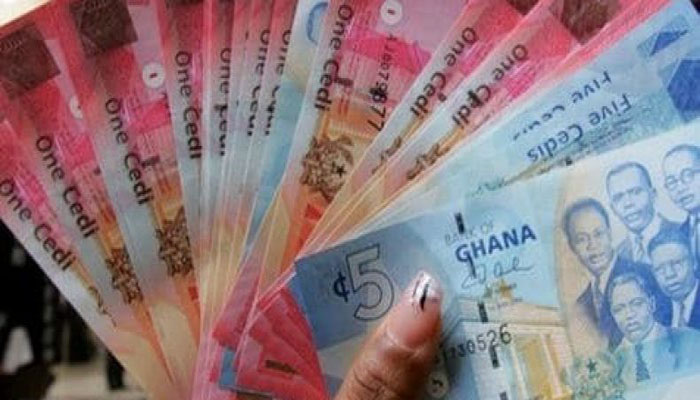
The Ghana cedi’s depreciation is expected to decelerate this week as demand pressure on the local currency subsides. This follows significant intervention by the Bank of Ghana in the forex market last week. On Wednesday, August 28, 2024, the Central Bank injected approximately $28 million through the 7-day forward auction and an additional $20 million to the Bulk Oil Distributing Companies (BDCs).
These measures effectively met the strong demand for the US dollar, helping to stabilize the cedi for the remainder of the week.
Despite the interventions, the cedi experienced a depreciation of 1.84% against the US dollar, 1.43% versus the British pound, and 0.42% against the euro in the retail market last week. As a result, the dollar closed the week at GH¢16.28.
The cedi has faced significant challenges over the past year, reflecting broader economic pressures. Since the beginning of 2024, the local currency has lost approximately 24% of its value against the US dollar. The depreciation has been driven by a combination of high demand for foreign exchange, dwindling reserves, and uncertainties in the global economic environment. This situation has exerted upward pressure on prices, contributing to the inflationary environment.
Over the past year, the cedi has been on a volatile path, often impacted by external shocks, such as rising global interest rates and the strengthening of the US dollar. These factors have exacerbated the cedi’s depreciation, particularly in the latter half of 2023 and into 2024. The government’s debt restructuring efforts, ongoing since early 2023, have also weighed heavily on investor confidence, further putting pressure on the local currency.
However, there is a silver lining on the horizon. Deloitte West Africa has indicated that the recent debt restructuring deal with Ghana’s external creditors is expected to have a favorable impact on the cedi. The successful completion of the deal could bolster investor confidence, reduce the country’s debt burden, and ultimately support the stability of the cedi. Additionally, a stronger cedi would help mitigate imported inflation, easing the cost of goods and services in the country. As the cedi battles through these challenges, the Bank of Ghana’s interventions and the potential benefits from the debt restructuring deal offer hope for a more stable currency in the months ahead.