1,000 Jobs In 100 days
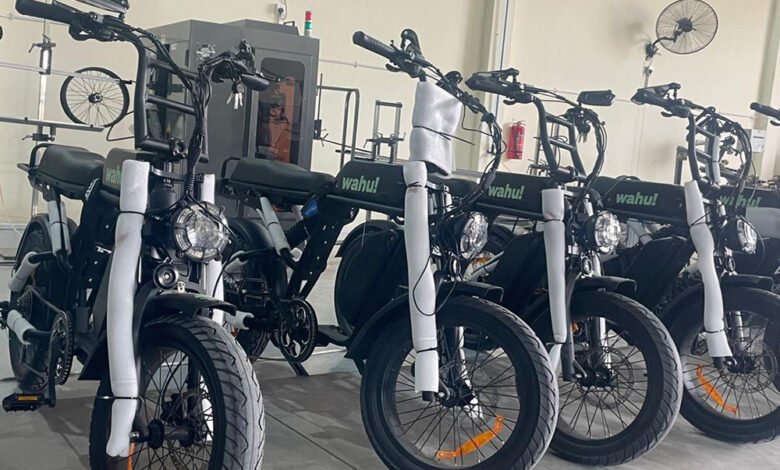
– Electric vehicle company launches transformative initiative
Story: Daniel NONOR, Accra
WAHU Mobility, a pioneering electric vehicle company, is set to make a transformative impact on Ghana’s job market with the launch of its ambitious ChargedWithJobs campaign an initiative that aims to create 1,000 jobs within 100 days.
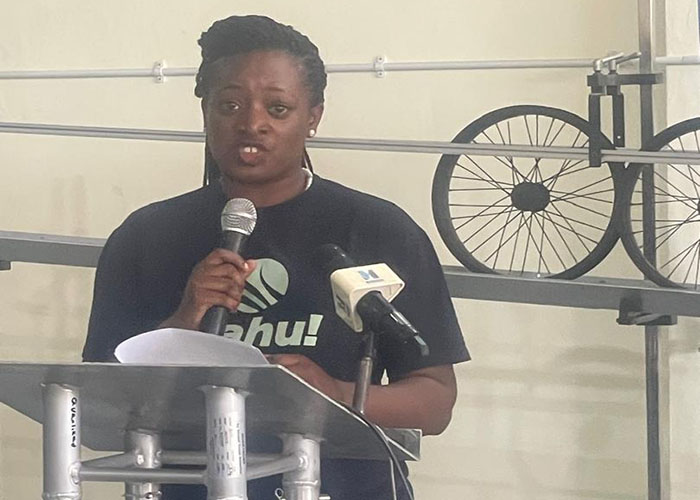
Co-founder and CEO of Wahu Mobility, Valerie Larbi, emphasized that the campaign is a response to the pressing unemployment issues in Ghana.
The campaign is expected to generate $2.4 million in economic impact, providing much-needed opportunities in the gig economy.
“This initiative is more than just a job creation drive; it’s a lifeline for young Ghanaians. For every $1,000 raised, we create a job, transforming lives across the country.”
Over the past year, e-bikes produced by the company have covered 2.5 million kilometres, reducing carbon emissions and offering an eco-friendly alternative to traditional petrol vehicles.
Currently, more than 300 eBike riders in Accra and Lome benefit from Wahu’s subscription model, which allows them to pay off their bikes weekly over 24 months, making gig work a sustainable livelihood.
By the end of 2025, Wahu Mobility plans to create over 5,000 jobs across various sectors, including delivery, engineering, marketing, and sales..
“This support not only empowers individuals but also addresses Ghana’s last-mile connectivity challenges, fostering economic growth and sustainability,” Valerie explained.
“Our ChargedWithJobs campaign is more than just an employment initiative; it’s a movement toward a greener, more prosperous Ghana,”she added.
Challenges in the Electric Vehicle Sector
Despite the campaign’s potential, she enumerated significant challenges facing the electric vehicle sector in Ghana, particularly concerning policy implementation. She cited slow and flawed execution of electric vehicle (EV) policies as a major obstacle to growth.
“Our biggest challenge this year has been the policy environment, which hasn’t been favourable for entrepreneurs, especially in the electric vehicle space,” she remarked. Despite several declarations and the introduction of new policies, implementation has been slow, with critical gaps remaining unaddressed.
She pointed out that while the policy aims to reduce VAT to make electric bikes more affordable, it fails to address fundamental aspects such as manufacturing and importation. “The policy didn’t consider how to get the bikes in the first place or what support is needed for manufacturing,” she said.
Furthermore, she noted the lack of a clear legal definition for electric vehicles within Ghana’s automotive laws, which currently only recognize cars or four-wheelers. This oversight, she argued, overlooks the reality that the future of electric mobility in Africa lies in two-wheelers and three-wheelers.
The absence of tax exemptions for these vehicles, coupled with confusion among various government ministries, has created significant barriers for companies like Wahu Mobility.
“The Ministry of Trade handles automotive, the Ministry of Transport oversees the EV policy, and the Ministry of Energy focuses on the Drive Electric initiative and charging stations.
“But there is no clear definition of EVs at customs, even at the ports,” she explained. She emphasized the need for a coordinated effort among these agencies to amend existing policies to support the growth of the EV industry.
Impact of policy delays on production goals
Despite these challenges, she acknowledged some progress. “We have had several serious meetings with the relevant agencies, but it has taken too long for these amendments to be approved in Parliament,” she said.
The delay in policy implementation has negatively impacted Wahu Mobility’s production goals. She revealed that the company had planned to produce 2,400 electric vehicles this year, but due to high taxes, they now expect to produce only around 1,000.
She expressed concern about the broader implications of this shortfall, noting that the average age of vehicles in Ghana is currently 14 years. With all vehicles on the road being imported, she sees a significant opportunity for the domestic automotive industry to pivot towards electric vehicles.
“EVs present an opportunity to change the current landscape. Today, we announced our ChargedWithJobs campaign, focusing on creating jobs for delivery riders to go electric.
“If there was more support for manufacturers, we could double the size of our factory and create at least two to three hundred jobs for engineers, designers, and mechanics specializing in EVs,” she stated.
Appeal for government support
She urged the government to be more deliberate in removing the challenges faced by entrepreneurs in the EV space.
“There are other EV companies starting up as well, and we all need support,” she added.
Addressing concerns about the rising cost of electricity and its impact on EV adoption, she was quick to highlight Wahu Mobility’s commitment to sustainability.
“Where we are sitting now is 100% powered by solar; we are completely off-grid. Even in our manufacturing process, we rely on solar energy. We’ve seen a significant rollout of solar infrastructure across Ghana,” she said.
She also emphasized a recent partnership with a charging station provider at A&C Mall, which operates largely off-grid.
“We are aggregating this kind of infrastructure on our app platform to allow people to charge their EVs more affordably,” she explained.
She reassured consumers that, despite rising electricity prices, charging an e-bike remains simpler and more cost-effective than fuelling a petrol-powered vehicle. In a passionate appeal, she called for more participants to join Wahu Mobility’s movement towards a sustainable future. “We are calling for a thousand participants to join this movement,” she noted.