

Lagos building collapse crisis highlights governance, economic failures
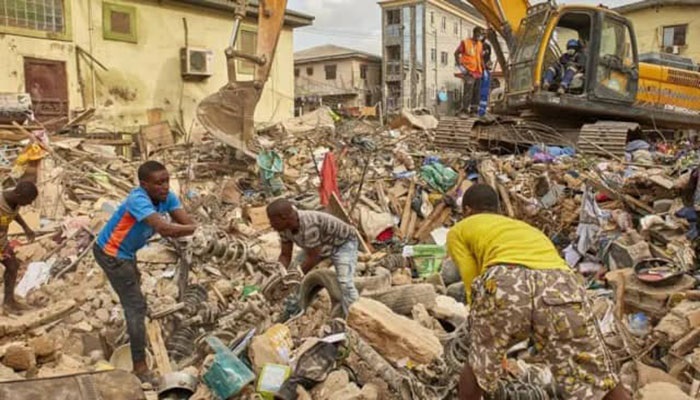
Lagos, Nigeria’s bustling economic hub, has been marred by a disturbing frequency of building collapses, with an average of one structure falling every two weeks this year. The commercial implications of these incidents are significant, affecting investor confidence, inflating insurance costs, and disrupting economic activities. However, the true cost, particularly the loss of human lives, cannot be quantified.
This wave of collapses exposes glaring weaknesses in governance, as regulatory failures and corrupt practices among contractors and officials continue to undermine the city’s construction industry. Despite existing regulations, maintenance schedules, and inspections, the system remains ineffectual, perpetuating a cycle of negligence and impunity. Those responsible for these tragic events are rarely held accountable, leading to a lack of meaningful reform.
Lagos has earned the grim title of “the building-collapse capital of Nigeria,” with over 90 buildings succumbing to structural failures in the last 12 years, according to the Council for the Regulation of Engineering in Nigeria. These incidents have claimed more than 350 lives, a devastating toll that underscores the urgent need for systemic change.
One of the most high-profile disasters occurred in 2021, when a 21-story luxury apartment building in Ikoyi collapsed, killing 42 people. This tragedy, which took place in one of Lagos’s most affluent neighborhoods, shocked the nation and drew attention to the endemic issues plaguing the construction sector. Despite the public outcry, the official investigation into the collapse has been shrouded in secrecy, with the findings and recommendations of a state-appointed panel yet to be disclosed.
The economic repercussions of these collapses are profound. The real estate market in Lagos, a key driver of the local economy, is severely impacted by the uncertainty surrounding construction standards. Potential investors, both local and international, are likely to reconsider their involvement in the market, wary of the risks posed by inadequate regulatory oversight. Additionally, insurance premiums for construction projects in Lagos are expected to rise, reflecting the increased risk associated with building in the city.
The construction industry, which should be a catalyst for economic growth in Lagos, is instead becoming a liability. The demand for housing and commercial properties continues to soar as Lagos’s population, now exceeding 20 million, expands. However, the rush to meet this demand has often led to shortcuts and compromises in building quality.
Regulatory bodies like the Lagos State Physical Planning Permit Agency, the Lagos State Building Control Agency (LASBCA), and the Standards Organisation of Nigeria are tasked with ensuring that construction standards are met. Yet, these institutions have repeatedly failed to enforce the necessary checks and balances, allowing substandard materials and practices to proliferate. The ongoing crisis in Lagos’s construction sector is not just a matter of public safety; it is a critical economic issue that demands urgent attention and reform. The future of the city’s real estate market, investor confidence, and overall economic stability depends on a robust response to this persistent problem. Until then, the gaps left by these collapsed buildings will continue to symbolize both the human and economic costs of governance failure in Lagos.



