

Emotional intelligence and communication key in conflict resolution – Manu
By Daniel NONOR, Accra
Conflict resolution and relationship management expert Mr. Julius Kofi Manu has reiterated the vital role of emotional intelligence and communication in resolving disputes at the workplace setting and in relationships.
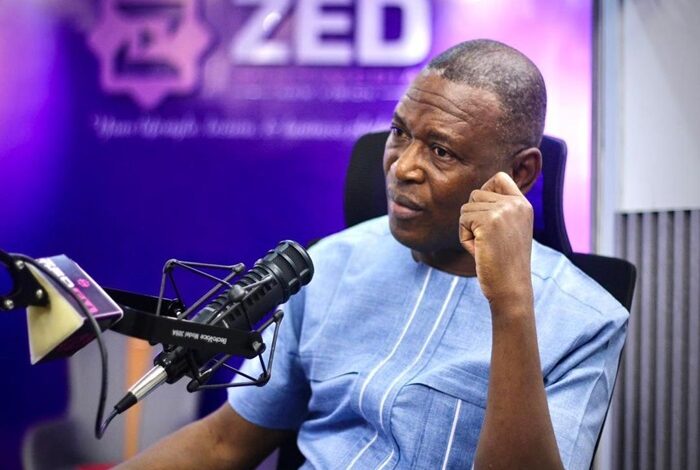
Speaking on the Zed in the morning show with host Jerry Halm, the discussion spanned various aspects of conflict, and offered listeners practical advice on how to manage disagreements effectively, both in personal relationships and in professional settings.
Mr. Manu defined conflict as a “breakdown in relationships,” emphasizing that it can occur at any level, be it interpersonal, within groups, or in the workplace.
He explained, “Conflict is essentially the inability to resolve disagreements before they escalate. When we talk about conflicts broadly, there are many causes. It could stem from simple disagreements, workplace politics, or even cultural differences.”
He further highlighted that even the most trivial issues, such as a disagreement over what to eat, can escalate into a full-blown conflict if not managed properly.
When asked by the host whether conflict is inevitable, Mr. Manu explained that “Conflict can be avoided if you have the right skills,” but stressed that “it’s also a necessary part of human relationships. It helps us grow, develop, and better understand ourselves and others. It’s a process of self-awareness and self-development.”
He acknowledged that while conflict is sometimes unavoidable, it serves a critical role in fostering personal and relational growth, ultimately leading to stronger, more resilient relationships.
Mr. Manu, also stressed the importance of effective communication is the “avenue through which we manage our relationships.”
He explained that communication goes beyond mere words stating that it involves a deeper level of understanding and empathy.
“Effective communication involves emotions, understanding, and even empathy. It’s like the operating system of interpersonal relationships, serving as both the medium and the solution for conflicts,” he said.
Mr. Manu offering valuable techniques for de-escalating heated arguments stated that the first step to managing conflict is emotional regulation, which ties into emotional intelligence.
He advised that “when emotions are high, it’s important to calm down. This requires conscious effort, as our natural tendencies often include defenses that prevent us from resolving conflicts effectively.”
Mr. Manu further described emotional Intelligence as the ability to recognize and manage your emotions stressing that emotional intelligence is essential because our emotions, if unmanaged, can drive us to act impulsively, often leading to further conflict.
“For instance, anger often operates as the primary emotion, driving our responses,” he explained.
“Emotional intelligence helps us understand why we feel a certain way and how to use that understanding constructively in our relationships.”, he added
Asked whether it was possible for someone to be intellectually smart but emotionally lacking. Mr. Manu responded affirmatively, stating, “You can be highly intelligent in an academic sense but lack the emotional intelligence needed to manage relationships effectively.”
He pointed out that this is often a challenge in workplaces, where individuals in positions of power may have the intellectual capabilities to perform their roles but lack the emotional skills necessary to manage teams and resolve conflicts.
“This lack of emotional intelligence in leadership can lead to a toxic work environment, where conflicts are not addressed properly, and relationships deteriorate,” he added.
Mr. Manu also shared proactive steps individuals can take to prevent conflicts from arising in the first place. He emphasized the importance of active listening, which he described as “listening with an open mind, seeking to understand rather than just hearing the words.”
He cautioned against being judgmental, explaining that judgmental attitudes can quickly lead to misunderstandings and conflicts. “The moment you start judging someone’s views, you lose them, which can lead to conflict,” he warned. Instead, he advocated for a non-judgmental approach to conversations, which fosters understanding and minimizes the risk of conflict.


