The price of the legislature: A deep dive into the supervisory and representative roles of parliamentarians
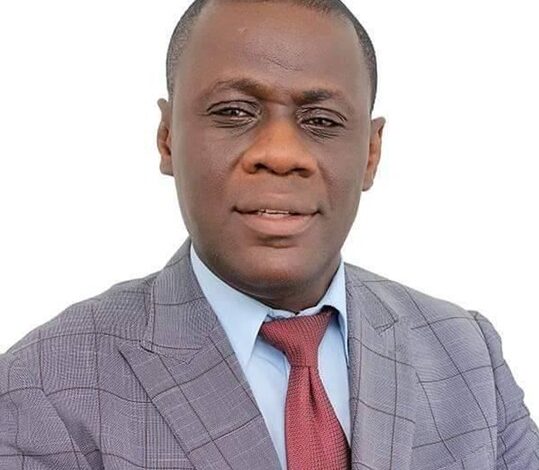
By Prof. Samuel Lartey
Introduction
In democratic societies, the legislature plays a critical role in shaping governance through its dual responsibilities of oversight and representation.
Parliamentarians are entrusted with the vital task of supervising the executive branch to ensure accountability and representing the interests of their constituents.
These roles are fundamental to maintaining a functioning democracy, as they help to ensure that government actions are transparent, accountable, and aligned with the needs of the populace.
However, when parliamentarians neglect these responsibilities, the consequences can be severe, leading to widespread public dissatisfaction and unrest.
The supervisory role
Parliamentarians are charged with the essential duty of overseeing the executive branch of government.
This supervisory role is crucial for maintaining a system of checks and balances within the government.
Legislators have the power to question ministers, initiate debates, and conduct investigations into government operations.
Effective supervision ensures that government actions are transparent and that public funds are managed appropriately.
In practice, this oversight involves scrutinizing government policies, budgets, and expenditures.
Parliamentarians are expected to hold the executive accountable for its decisions and actions, providing a mechanism for public redress.
This oversight function is intended to prevent misuse of power, reduce corruption, and ensure that government actions align with the public’s interests.
The representative role
Equally vital is the role of parliamentarians as representatives of their constituents. Elected officials are responsible for voicing the concerns and needs of their voters in the legislature.
This role requires parliamentarians to engage actively with their communities, understand their issues, and advocate on their behalf.
Representation involves addressing local grievances and ensuring that national policies reflect the diverse interests of the populace.
Effective representation requires parliamentarians to balance their duties to their constituents with their roles within the broader political system.
This involves not only addressing immediate local concerns but also contributing to national policy discussions in a way that benefits all sectors of society.
Challenges in fulfillment
Despite these critical responsibilities, parliamentarians often face challenges that can impede their effectiveness.
Party loyalty can sometimes overshadow individual accountability, causing legislators to prioritize party agendas over constituent needs.
Additionally, limited resources or insufficient training can hinder their ability to perform thorough oversight and engage meaningfully with their constituents.
Political polarization further complicates the legislative process, making it difficult for parliamentarians to engage in constructive debate and effective scrutiny.
As a result, the expected levels of oversight and representation may fall short, leading to frustration among constituents and a perceived lack of responsiveness from their elected officials.
Impact on citizens
When parliamentarians fail to perform their supervisory and representative duties effectively, the impact on citizens can be profound.
Ineffective oversight can lead to unchecked corruption and mismanagement, undermining public trust in government institutions.
Moreover, when constituents feel that their concerns are ignored or inadequately addressed, frustration can escalate into active dissent.
In Ghana, as in many other democracies, such failures often prompt public protests and demonstrations. Citizens, feeling disenfranchised and neglected, may mobilize to demand accountability and reform.
This public outcry highlights the critical need for parliamentarians to remain committed to their duties and responsive to the needs of their constituents.
Conclusion
The roles of supervision and representation are fundamental to the functioning of democratic governance.
When parliamentarians in Ghana or elsewhere fail to fulfill these responsibilities, the resulting public dissatisfaction can lead to significant unrest and demands for reform.
Understanding the challenges legislators face and their failures’ impact underscores the need for greater accountability, transparency, and responsiveness.
To restore public trust and ensure effective governance, it is essential for parliamentarians to actively engage with their constituents, perform rigorous oversight, and address the pressing issues facing their communities.
By doing so, they can help maintain social stability and uphold the principles of democracy.
sammylaatey@yahoo.com