Citizens Call for Strict Enforcement of Construction Laws
By Esther Korantemaa Offei
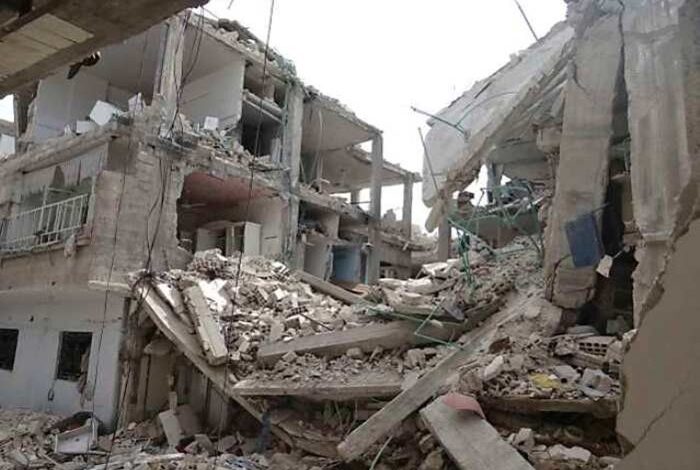
The recent collapse of a building in Accra Newtown, which resulted in three fatalities and several injuries, has reignited urgent discussions about construction safety and regulatory compliance in Ghana. The tragedy has highlighted systemic weaknesses and prompted demands for swift government intervention to prevent future disasters.
Speaking with The New Finder, a diverse group of citizens expressed their opinions on what measures authorities should take to enhance safety standards at construction sites and within the broader built environment. While their viewpoints varied, a common message emerged; the primary challenge lies in enforcing existing laws effectively.
One interviewee emphasized the importance of rigorous supervision throughout the construction process. “To avoid incidents like this, the government must strengthen enforcement and oversight across the construction industry,” they urged. They recommended mandatory inspections at every stage from foundation to finishing verifying adherence to approved designs and safety protocols.
This individual also called for decisive action against unauthorized structures. “Authorities should crack down on illegal developments by ensuring developers obtain proper permits before starting construction,” they insisted. They stressed that involving qualified engineers and architects in all projects is crucial for maintaining structural safety.
Concerns about the use of substandard building materials were also raised. The respondent suggested implementing regular checks and certification processes for suppliers to guarantee quality. They further proposed establishing a dedicated monitoring team with the authority to inspect sites and halt unsafe projects immediately. Public education campaigns were also seen as vital, empowering citizens to report dangerous structures before they result in tragedy.
Another citizen pointed out that Ghana’s challenges are less about the absence of laws and more about their ineffective implementation. “We have almost all the necessary laws, but they are not being enforced,” they argued. They urged the government to focus on ensuring compliance with existing regulations rather than creating new ones.
This individual also highlighted a prevalent culture of complacency, where dangers are often ignored until a disaster occurs. “Everyone knew the building was unsafe, but no one spoke up,” they lamented. Strengthening community awareness and empowering local assemblies to enforce their bylaws was identified as a crucial step toward addressing this issue.
A third respondent echoed these concerns, describing the tragedy as both preventable and tragic. “We tend to wait for bad things to happen before paying attention,” they observed. They pointed out that the systems designed to prevent such incidents are already in place but are underutilized.
Specifically, they noted that district assemblies are legally responsible for approving construction projects and conducting regular inspections to ensure compliance. “Someone isn’t doing their job,” they said, suggesting lapses in accountability may be a significant factor. They also mentioned that limited manpower and insufficient funding could be hampering enforcement efforts and called for national dialogue to address these resource constraints.
Conversely, another citizen offered a different perspective, arguing that flaws in the regulatory framework itself may be to blame. “There are no proper regulations for building and housing,” they claimed, citing the weak structure of the collapsed building as evidence. They advocated for clearer zoning policies to regulate where different types of buildings can be constructed, warning that unchecked development motivated solely by profit could lead to further tragedies.
This individual also emphasized the importance of stricter standards for construction materials and building specifications. They argued that well-defined and rigorously enforced guidelines would help ensure all structures meet minimum safety requirements.
As investigations continue into the collapse, the incident serves as a stark reminder of the human toll of regulatory failures. Whether through stricter enforcement, enhanced oversight, or comprehensive policy reforms, citizens insist urgent action is necessary.