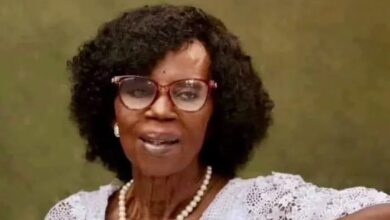
Women Judges urged set precedents to vulnerable and marginalised

By Daniel NONOR, Accra
President Nana Addo Dankwa Akufo Addo has reiterated the pivotal roles women judges play in eradicating negative cultural practices especially among women and girls which has long impeded progress development.
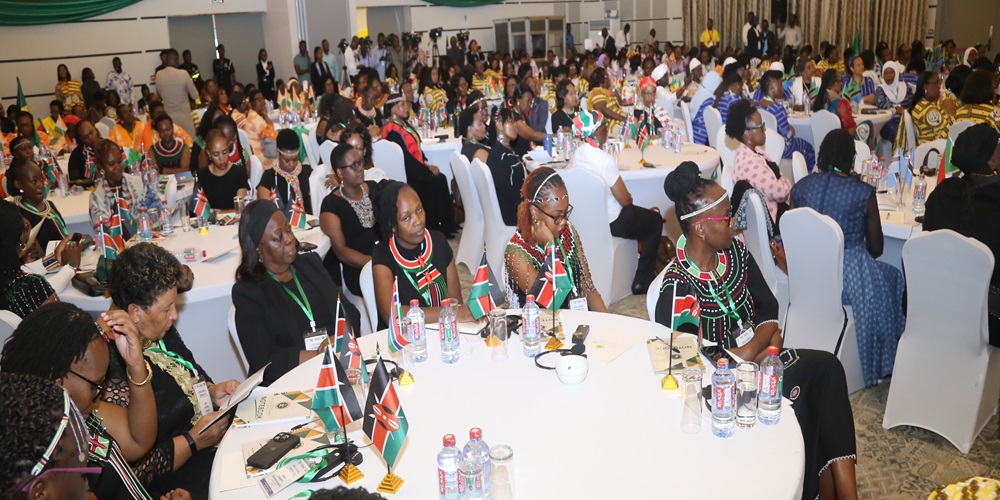
Speaking at the opening of the International Association of Judges Conference in Accra yesterday, President Nana Addo said the experience of women judges puts them in a pole position to bring unique views and strengths in advocating justice and fairness.
“Their experiences, often mirroring the societal challenges we seek to overcome, equip them uniquely to advocate for justice and fairness. In dealing with issues like gender-based violence, child marriage, widowhood rites and female genital mutilation – practices steeped in deep-rooted cultural norms – your voices and rulings can resonate deeply, driving societal transformation”.
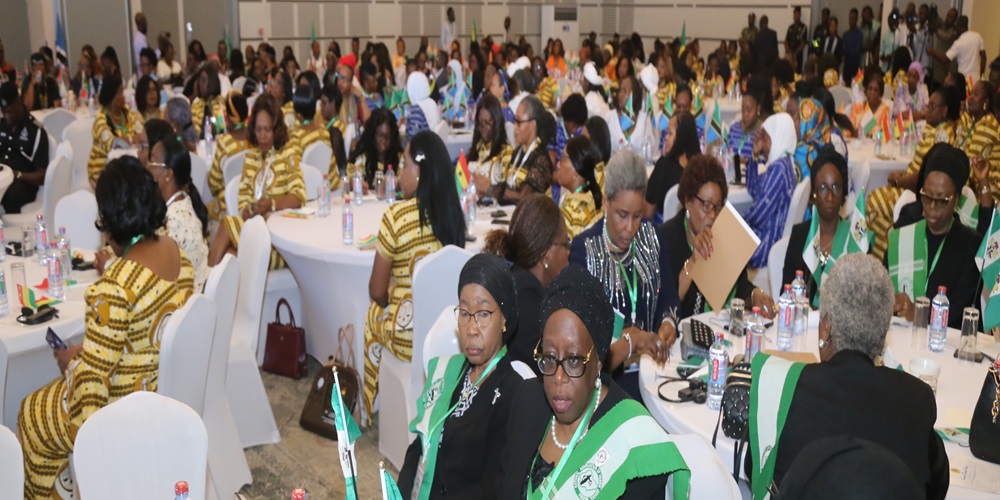
The presence of women at all levels of the judicial system he said not only enhances the perspective within the judiciary, but also strengthens public confidence in the justice delivery system
“Women judges can represent the spirit of justice, and the enduring promise of equality within our judiciary. They can bring unique insights and life experiences to the bench, enriching the interpretation and application of the law”.
The President said the conference, which was under the theme: “Combating Negative Cultural Practices in Contemporary Times – The Role of Women Judges,” highlights pressing issues, and also shines a light on the path forward through judicial engagement and innovation.
The President told the conference that although Ghana, has made some significant strides in promoting gender equality through legal reforms and societal education, the eradication of detrimental cultural practices requires relentless effort and strong dedication.
He recounted that successive Governments have undertaken several initiatives to combat negative cultural practices affecting women and girls. These efforts span legal reforms, educational programmes and community engagement strategies.
“We have implemented and enforced laws aimed at protecting women and girls from harmful practices. For instance, the Domestic Violence Act of 2007, Act 732, the preparation of which was initiated during my time as Attorney General, provides protection against domestic abuse, including traditional practices that harm women and girls”
Other legislation include the Human Trafficking Act of 2005, Act 694, aimed at combating human trafficking, which disproportionately affects women and girls.
Furthermore, Ghana has outlawed female genital mutilation (FGM), the harmful practice inflicted on girls, which is recognised internationally as a violation of human rights.
“Government has not only legislated against this practice, but also works with local communities and leaders to enforce this ban effectively. In collaboration with NGOs, Government continues to conduct awareness campaigns to educate the public about the dangers of negative cultural practices like child marriage, gender-based violence and FGM. These campaigns are aimed at changing societal attitudes and norms that perpetuate these practices. Our progress on this front is significantly attributed to the increasing presence of women in the judicial system. Their expertise and empathetic adjudication have consistently reinforced the protective framework for women and children”.
The President charged the women judges, to leverage on their collective legal acumen to dismantle barriers to justice emphasising that negative cultural practices are not just an affront to the victims, but are a blemish on the collective human conscience.
“As judges and upholders of the law, you have the power to redefine norms, and set precedents that protect the vulnerable and marginalised. It is imperative to acknowledge that the fight against these practices is not confined to the courtrooms. Education, awareness and collaborative governance are critical. We must engage traditional leaders, educators and communities to recalibrate mindsets and attitudes. It is in our schools, homes, and community gatherings where the foundational beliefs of our next generation are formed. Here lies the strategic importance of holistic approaches that include legal repercussions, as well as preventative measures through education and community engagement”