Alan promises to abolish unnecessary taxes on imports
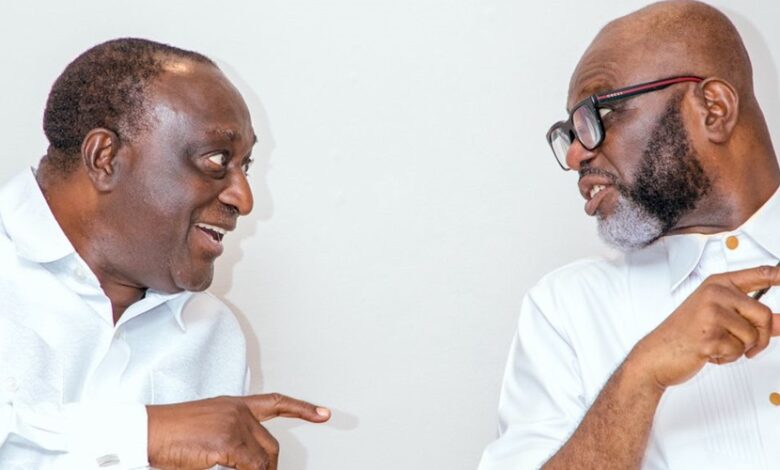
Founder and Leader of the Movement for Change and Independent Presidential Candidate, Mr. Alan Kyerematen, has pledged to eliminate several unnecessary taxes imposed on imports, which he considers burdensome to the trading community.
“Under my presidency, Ghana will have the lowest tax rate regime in ECOWAS,” he declared during an engagement with the Ghana Union of Traders Associations (GUTA).
Presenting a series of radical tax measures aimed at realigning and reducing the tax burden on Ghanaians, particularly on imports, he outlined immediate steps such as consolidating the existing National Health Insurance Levy (NHIL) and Ghana Education Trust Fund (GETFund) levies at the ports into the calculation of a new Value Added Tax (VAT) rate.
Additionally, he plans to abolish the Special Import Levy of 2%, COVID-19 Health Recovery Levy, and the Ghana Health Service Disinfection Fee.
Alan also committed to abolishing any taxes and charges on the importation of spare parts within two years of his government’s establishment.
Furthermore, he proposed a comprehensive review of all statutory fees and charges on imports imposed by regulatory agencies, with the aim of consolidating them into a convenient payment system.
He emphasized the importance of a fixed exchange rate for the calculation of import duties over a specified period, as well as fixing the exchange rate for strategic and essential commodities below the prevailing rate in a ‘second window’ to reduce imported inflation.
These tax review measures, according to Alan, constitute the most radical and comprehensive review of the import tax regime to date.
He believes that their implementation will transform the business environment in Ghana positively.
President of GUTA, Dr. Joseph Obeng, highlighted the extensive burden of taxes and levies on businesses, noting that apart from VAT, there are 32 additional taxes, which collectively amount to nearly 65% of the value of imports.
Additionally, he pointed out that more than fourteen state agencies operate in the port, along with various security agencies.
According to Dr. Obeng, this situation significantly increases the cost of doing business, leading some businesses to relocate to other ports and fostering unethical practices.
Recognizing the stress and difficulties faced by Ghanaian business owners, he emphasized the importance of improving the business environment to enhance the livelihoods of ordinary Ghanaians.
Alan echoed these sentiments, stressing the need for the government to create an enabling environment for private sector-led growth.
He reiterated his commitment to shifting from heavy reliance on indirect taxes to direct taxes under his leadership.
He aims to recalibrate the tax regime structure to optimize revenue mobilization from direct taxes while reducing over-reliance on indirect taxes to enhance the competitiveness and profitability of the corporate sector.
His remarks are based on the plans outlined in his Great Transformational Plan (GTP), which aims to deliver the vision of Ghanaians for a prosperous, united, and peaceful Ghana that provides equal opportunities for all, especially young people, women, and other vulnerable groups.