

830 public and civil servants to be trained on digital skills
By Christabel Oboshie ANNAN, Accra
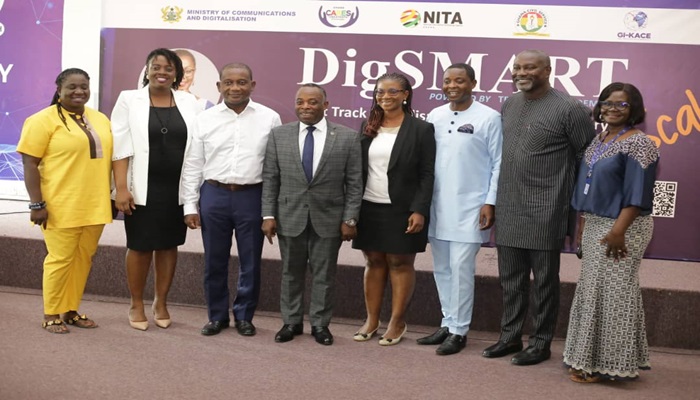
The Ministry of Communications and Digitalisation is set to train approximately 830 public and civil servants with digital skills to fast-track the digitalisation of service delivery in the public sector. The training, dubbed DigSMART Scale-Up, aims to build digital skills, culture, and leadership within the public sector to facilitate a more cohesive and accelerated digital transformation for service delivery. The training spans a meticulous six-month period, incorporating weekly online training sessions and monthly physical sessions. The Director-General of the National Information Technology Agency (NITA), Richard Okyere-Darko, mentioned that the first year of DigSMART witnessed the enrollment of 170 participants. He stated that the outcomes of the first year have been transformative, with success stories as a testament to the program’s efficacy. He emphasized that DigSMART Scale-Up is not just a training program but a comprehensive journey toward authentic transformation. The extended duration of six months ensures participants undergo a true digital culture transformation, addressing the need for a shift in behaviors, attitudes, and mindsets. The Director-General highlighted the importance of DigSMART Scale-Up in propelling Ghana’s digital economy forward. Speaking on behalf of the sector Minister, Ursula Owusu-Ekuful, he added that as Ghana implements a new digital economy policy, DigSMART Scale-Up aims to play a pivotal role in fast-tracking digitalization, making public sector workers more effective in their service delivery. He indicated there will be an expansion of the training in Accra, Sunyani, and Bolgatanga to ensure broad accessibility for participants from all corners of the nation. Head of Civil Service, Dr. Evans Aggrey-Darko, emphasized the pivotal role of technology in streamlining internal processes and improving the overall citizen experience. He stressed the importance of fixing the public bureaucracy, stating that without such improvements, national development would remain stunted. He acknowledged the impact of technology on efficiency, transparency, and accessibility of services, noting its potential to combat corruption and enhance accountability. The Head of Civil Service commended the collaborative effort of all stakeholders involved in the program, emphasizing the importance of empowering the workforce to navigate the digital landscape effectively. Dr. Aggrey underscored the program’s dual focus on technology and people, aiming to build a more responsive and citizen-centered government. He expressed confidence in the program’s ability to redefine the role of the civil service in the digital age. He urged participants to embrace change, emphasizing that sustainability requires a commitment to adapting to the challenges of tomorrow. He thanked the dedicated team and visionary leaders who worked tirelessly to bring the program to fruition, urging everyone to collectively embark on the transformative journey toward a smarter, more digitally enabled future for the civil service and the citizens it serves. The program is in partnership with the Tony Blair Institute for Global Change (TBI), through the Ghana Cares ‘Obaatanpa Programme’, the National Information Technology Agency (NITA), and the Ghana-India Kofi Annan Centre of Excellence in ICT (GI-KACE).



