Set timeline for GH¢1 fuel levy — CSOs to gov’t
By Praisebell Rosemond Larbi
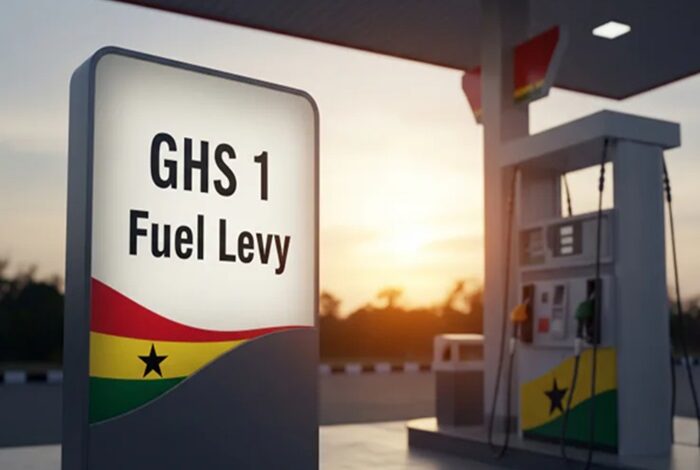
Civil Society Organizations (CSOs) are urging the government to provide clarity and accountability regarding the newly introduced GHS1 fuel levy.
They warn that, in the absence of a clear timeline or sunset clause, the charge risks becoming a permanent financial burden on Ghanaians.
The levy, which officially took effect on July 16, is intended to support Ghana’s ailing energy sector.
However, many policy analysts and observers have drawn comparisons to previous ‘temporary’ taxes, such as the Energy Sector Recovery Levy and the Energy Sector Levies Act (ESLA), which remain in place long after their initial introduction.
Speaking at a pre-budget policy dialogue in Accra ahead of the July 24 mid-year budget review, Abdul Karim Mohammed, Coordinator of the Economic Governance Platform, criticized the lack of transparency surrounding the new levy.
“There is no sunset clause. We have no specific timeline for how long the government intends to keep this levy. Historically, it has become the easiest, and frankly, the laziest way for governments to raise revenue,” Mr. Mohammed stated.
He pointed to past administrations, referencing the Toll Recovery Levy under President Kufuor and the ESLA levy introduced during President Mahama’s tenure, as examples of taxes that were introduced to address temporary crises but eventually became permanent fixtures in the tax system.
“The pattern is worrying. Today, nearly every fuel-related tax that was introduced to resolve a short-term crisis has become permanent. The burden on the average Ghanaian keeps growing,” he noted.
While the CSOs acknowledge the importance of stabilizing the energy sector, they argue that any fiscal measure must be introduced with transparency, public consultation, and time-bound frameworks.
They assert that, without clear timelines and detailed reporting mechanisms, such levies risk undermining public trust and deepening inequality.
“When fuel prices go up, the ripple effects are felt across all sectors, including transportation, food, and manufacturing. We need assurances that this GHS1 levy will not quietly stay with us forever,” Mr. Mohammed added.
A coalition of CSOs, including the Center for Democratic Development (CDD-Ghana), ISODEC, and IMANI Africa, is preparing to submit a formal petition to the Ministry of Finance ahead of the mid-year budget presentation.
The petition will call for a clearly defined sunset clause for the GHS1 levy, periodic public updates on how revenue from the levy is being utilized, and broader stakeholder consultation before the introduction of any future taxes.
As of press time, the Ministry of Finance had not officially responded to the concerns raised by the CSOs.