

Supreme Court Halts GN Savings Licence Reinstatement
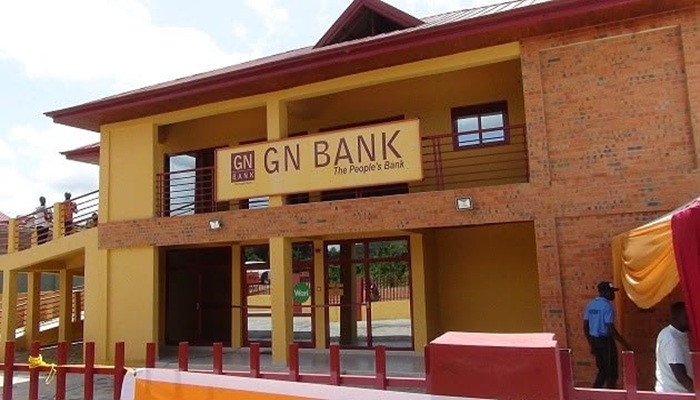
The Supreme Court has granted an application by the Bank of Ghana (BoG) to stay the execution of a Court of Appeal judgment that ordered the restoration of the operating licence of GN Savings and Loans Limited, pending the determination of the central bank’s appeal.
The ruling means the Court of Appeal’s decision will not take effect until the Supreme Court delivers its final judgment on the matter, leaving GN Savings and Loans unable to resume operations based on the earlier appellate court ruling.
The Bank of Ghana filed the appeal after the Court of Appeal, in June 2026, directed the central bank to reinstate the company’s licence, which had been revoked during the financial sector clean-up exercise.
By granting the stay of execution, the Supreme Court has preserved the existing legal position, ensuring that the licence remains revoked while the substantive appeal is heard and determined.
The apex court’s eventual decision is expected to provide legal clarity on whether the Bank of Ghana acted within its statutory mandate when it revoked the licence and whether the Court of Appeal was justified in ordering its restoration.
Legal observers believe the final ruling could have significant implications for the interpretation of the Bank of Ghana’s regulatory authority and the legal framework governing the revocation of licences within Ghana’s financial sector.
The case stems from the financial sector reforms initiated by the Bank of Ghana in 2017 and intensified between 2018 and 2019 to address weaknesses within the financial system.
During the exercise, the central bank revoked the licences of several banks, savings and loans companies, finance houses, microfinance institutions and fund management firms, citing insolvency, weak corporate governance, regulatory breaches and the need to protect depositors’ funds.
GN Savings and Loans Limited was among the institutions affected by the clean-up exercise and subsequently challenged the decision in court.
Following years of legal proceedings, the Court of Appeal ruled in favour of the company and ordered the Bank of Ghana to restore its operating licence.
The central bank, however, disagreed with the ruling and filed an appeal before the Supreme Court while simultaneously seeking a stay of execution to prevent the Court of Appeal’s decision from taking immediate effect.
The Supreme Court has now granted that application, meaning the status quo will remain until the substantive appeal is concluded.
The outcome of the case is expected to be closely watched by financial institutions, legal practitioners and industry stakeholders, as it could influence future regulatory actions and judicial interpretation of the powers exercised by financial sector regulators.
The final judgment is also expected to shape the legal precedent governing disputes arising from the financial sector clean-up programme and similar regulatory interventions in Ghana’s banking and financial services industry.



