HIV/AIDS: Donor support drops 75%, we need help from private sector- Dr. Atuahene
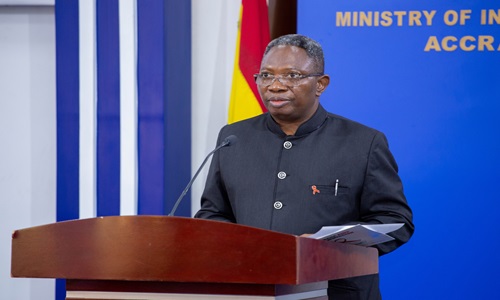
By Selorm GBORBIDZI, Accra
The Ghana AIDS Commission (GAC) has launched an appeal to corporate entities and the public to contribute to the National HIV and AIDS Fund in an effort to address a funding gap of $90 million that has affected the country’s response to HIV and AIDS.
Dr. Kyeremeh Atuahene, Director General of Ghana AIDS Commission (GAC), emphasized the importance of increasing local funding, as donor funding for the national response has decreased from approximately 75% to 33% in recent years.
This reduction in external funding has been further compounded by current fiscal challenges, hindering the government’s ability to allocate sufficient resources to the HIV response.
Dr. Atuahene noted that 2023 marks the 20th anniversary of anti-retroviral treatment (ART) in Ghana, which has significantly extended the lives of thousands of people living with HIV.
The implementation of ART has led to an estimated 13,539 deaths averted in 2022, up from 9,790 prevented deaths recorded in 2020.
While celebrating these achievements, Dr. Atuahene warned that Ghana could lose the benefits of scientific advancements in ART if the funding for HIV drugs remains 100% donor-dependent.
He underscored the urgent need for domestic funding to sustain the treatment program and ensure that people living with HIV receive the necessary care to maintain their health and wellbeing.
Dr. Patrick Kumah-Aboagye, Director General of the Ghana Health Service (GHS), announced that the GHS had secured grant approval from the Global Fund to support the national HIV response.
The grant will facilitate the procurement of essential commodities and strategic interventions for the next three years, starting in January 2024. The government of Ghana has also committed to fulfilling its counterpart financing obligations, with a focus on improving service coverage at the Community Health Planning and Services (CHPs) implementation level in collaboration with civil society.
The theme for World AIDS Day 2023, “Let Communities Lead,” reflects a call to work closely with key population groups. Dr. Kumah-Aboagye highlighted that nearly 80% of persons living with HIV have embraced HIV self-testing. This approach, implemented through collaborations with organizations like GHANET and WAPCAS, has resulted in a significant number of first-time HIV tests and the identification of new HIV-positive individuals who have been linked to antiretroviral treatment.
Dr. Kwaku Afriyie, the Minister of Environment, Science, Technology, and Innovation, who represented the President at the launch, expressed concern that Ghana is currently lagging behind the UN’s 2030 target of achieving the “95-95-95” goal for HIV diagnosis, ART provision, and viral suppression.
The country is presently at 72-87-68, falling short of its goals for 2025.
Dr. Leticia Appiah, Executive Director of the National Population Council and chair of the event, emphasized the importance of empowering those affected by HIV, their families, and civil society organizations that work at the community level.
She highlighted that AIDS remains a global health concern that continues to impact millions of lives worldwide, and the collective efforts of various stakeholders are needed to address this challenge effectively.