Ghana must enact structural reforms for long-term growth-Laporte
By Isaac AIDOO, Accra
GHANA needs to enact structural reforms to preserve its long-term growth prospects and build economic resilience, World Bank Country Director, Pierre Laporte has stated.
The reforms, he noted must go in tandem with ongoing efforts aimed at “addressing the current crisis and restoring macroeconomic stability.”
“Bolstering long-term growth prospects will require policies that support investment and human capital development, as well as buttressing resilience and crisis preparedness, especially in agriculture and food systems. Well-targeted investments could create better jobs, lower income inequality, and boost productivity,” the World Bank country director stated.
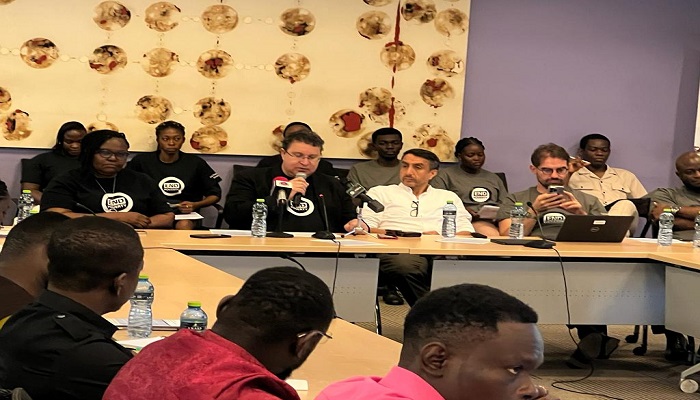
Mr Laporte was speaking on the occasion of the celebration of the End Poverty Day in Accra.
He charged policymakers to intensify efforts to grow the economy, while protecting the most vulnerable.
According to him, “jobs and employment are the surest way to reduce poverty and inequality. Impact is further multiplied in communities and across generations if we purposefully empower women and girls, and young people.”
Mr Laporte observed that the past year in Ghana had been challenging as the economy entered difficult times just after the twin crisis of the pandemic and the Russia’s invasion of Ukraine.
Ghana was deeply hit as pre-existing fiscal vulnerabilities were compounded by adverse global economic conditions resulting in high inflation and steep depreciation of the cedi, while the country lost access to international market.
The burden of the challenges, particularly, high inflation and low growth had fallen on all, but especially on the vulnerable segments of the population:
“In Ghana, over a quarter of Ghanaians live on less than $2.15 per day. Inflation experienced over the past couple of years has eroded the purchasing power of Ghanaian households as incomes have not kept pace and it is expected that the current economic woes the country has endured may have pushed many more Ghanaians into poverty. Furthermore, food insecurity worsened by the last quarter of 2022 when inflation was at its peak,” he noted
The World Bank, he announced was evolving its vision and mission in response to a succession of global crises that have upended development progress. The World Bank is transforming through the urgency of a new playbook which focuses on enhancing and modernizing our financing capacity, delivery model and efficiency of delivery among others, to drive inclusive development that does not come at the cost of the planet, leading to better quality of life and jobs for people.
For the End Poverty Day, the focus was on “Delivering Growth through People for Better Jobs in Ghana”
In 1992, the United Nations declared October 17 as the International Day for the Eradication of Poverty, a day that is even more significant now because of the SDG 1 to eradicate extreme poverty which aligns with World Bank’s new vision to ‘create a world free of poverty on a livable planet and its new mission to end extreme poverty and boost shared prosperity a livable planet.