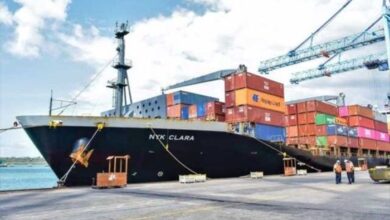
Time to cut the rice import bill
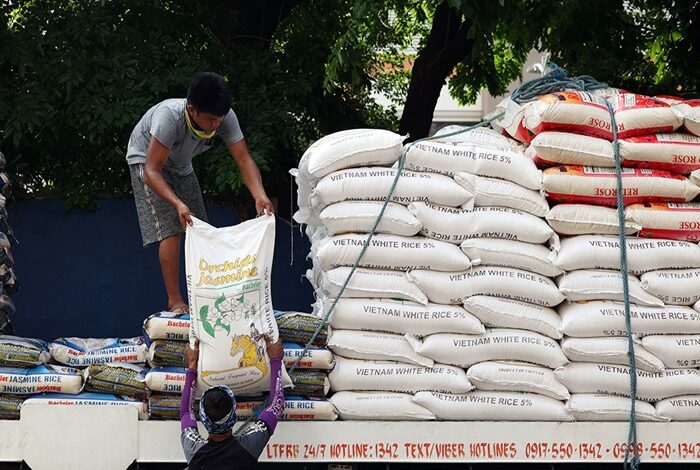
The country’s dependence on imported rice is a costly habit that reflects years of weak agricultural policy and inadequate support for local farmers.
According to the latest report by the United States Department of Agriculture, domestic rice production is projected to reach 900,000 metric tonnes by 2025/2026.
Yet national consumption is expected to hit 1.8 million metric tonnes, leaving a gap of nearly one million tonnes filled by imports.
This imbalance is draining the economy. The country spends hundreds of millions of dollars annually on rice imports, which strains foreign exchange reserves and weakens the cedi.
It also exposes the country to global price shocks and supply disruptions. Meanwhile, local farmers struggle to compete, despite having the potential to meet national demand.
The issue is not a lack of capacity. The country has fertile land, favourable climate and a willing labour force. What is missing is consistent investment and policy direction.
Farmers face poor irrigation systems, limited access to credit, outdated equipment and weak post-harvest infrastructure. Milling facilities are often substandard, and locally grown rice struggles to meet consumer expectations in quality and packaging.
To change this, the country must act decisively. Investment in irrigation and mechanisation is essential to boost yields and reduce losses. Access to finance and inputs such as fertiliser and certified seeds must be improved. Milling and storage facilities need upgrading to ensure local rice is competitive in both quality and price.
Government procurement can also play a vital role. Programmes like the School Feeding Scheme and public hospitals should prioritise Ghana-grown rice. This would create stable demand and encourage farmers to expand production.
A national campaign to promote local rice, backed by real incentives and not just slogans, could shift consumer habits and build pride in homegrown food.
Reducing rice imports will take time, but the benefits are clear. It would strengthen the economy, create jobs and improve food security. It would also give the country greater control over its food system and reduce vulnerability to external shocks.
The USDA report should not be ignored. Ghana cannot afford to keep importing what it can grow. It is time to back our farmers, invest in our land and build a rice industry that feeds the nation and fuels the economy.