

Cost of compliance to new EU rules bothers cocoa producers
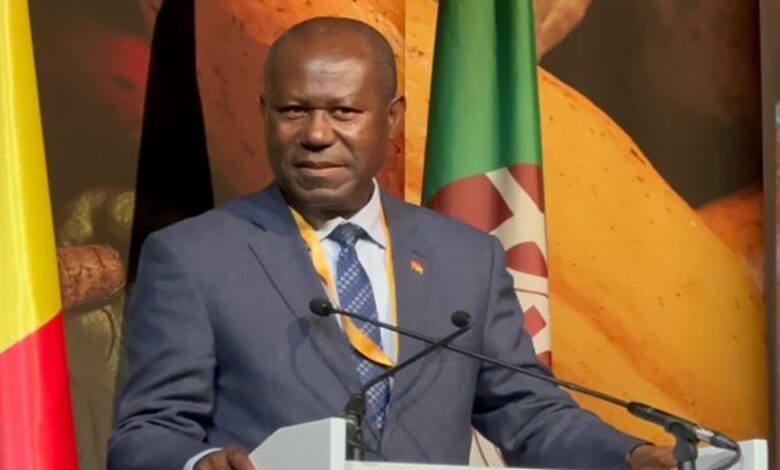
Chief Executive of Ghana Cocoa Board (COCOBOD), Joseph Boahen Aidoo, has voiced significant concerns regarding the implementation of the new EU Regulations on Deforestation and its potential cost implications for farmers and producing countries.
The new EU Regulations on Deforestation mandate producing countries to adhere to stringent measures aimed at safeguarding the environmental ecosystem and promoting sustainable and ethically sourced cocoa.
While these regulations are well-intentioned and address some existing challenges, they also raise ethical and economic concerns for countries like Ghana, Cote d’Ivoire, and Cameroon, particularly regarding who will bear the additional costs of compliance.
Ghana has already taken proactive steps towards compliance, having completed the Cocoa Management System (CMS), a critical requirement for cocoa traceability, and is set for full implementation by October this year.
However, according to Mr Aidoo, the cost implications of compliance cannot be overlooked, as they may not only increase the cost of cocoa but also pose social and economic challenges for farmers already grappling with difficult economic conditions.
Speaking at the World Cocoa Conference in Brussels, Belgium, Mr Aidoo emphasized that while Ghana is committed to implementing the EU regulations, the associated costs are likely to be passed on to farmers and producing countries.
He highlighted Ghana’s proactive efforts to address climate change challenges and stressed the need for the new regulations to consider the financial burden on farmers and producers.
Mr Aidoo pointed out that the regulations fail to address the issue of costs and responsibilities for implementing expensive technologies and tools, such as mapping farms and providing training.
He highlighted the potential impact on cocoa prices from Ghana, Cote d’Ivoire, and Cameroon, as these additional costs are transferred down the supply chain.
In response to these concerns, some argue that the burden of compliance costs should be shared by wealthy nations that consume the majority of cocoa produced.
Advocates for this position believe that developed countries, including the EU, should support cocoa-producing countries financially to ensure the ethical and sustainable sourcing of cocoa.
Mr Aidoo remarks underscore the need for a balanced approach to implementing the EU Regulations on Deforestation, one that considers the economic realities of producing countries while upholding environmental sustainability standards.



