

Incentives for housing sector
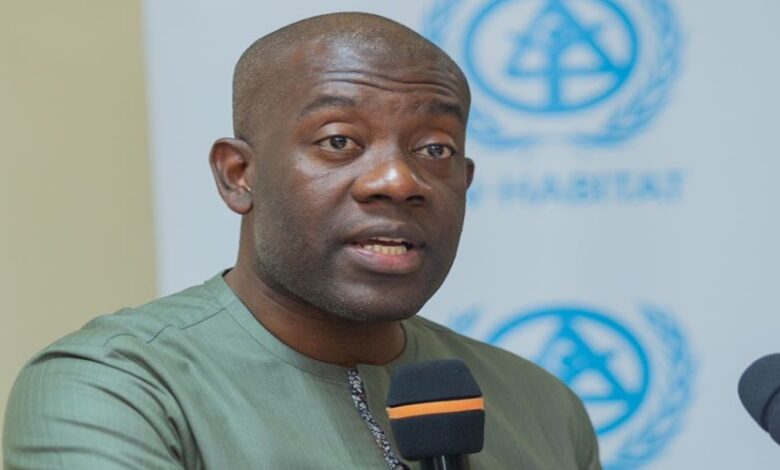
-Govt, stakeholders developing fresh package – Oppong Nkrumah
Government is developing fresh incentive package to attract private sector developers to the housing industry.
This is part of intensified efforts to tackle the country’s significant housing deficit, which currently stands at 1.8 million units.
Consequently, government is in discussions with industry groups, particularly the Ghana Real Estate Developers Association (GREDA), to devise a comprehensive incentive framework.
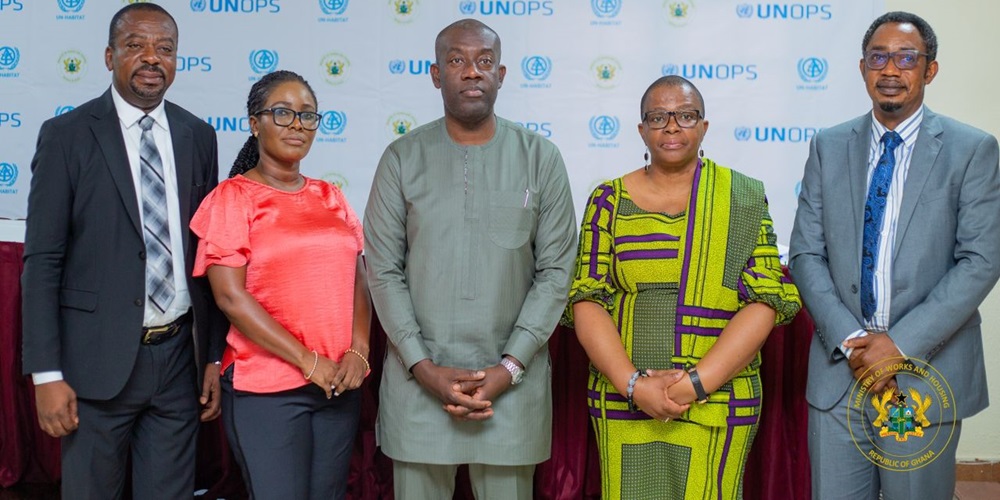
The collaborative approach underscores the government’s commitment to partnering with the private sector to address housing challenges effectively.
This ambitious initiative was announced by the Minister for Works and Housing, Kojo Oppong Nkrumah, during the Revision of Ghana’s Housing Profile Workshop held in Accra yesterday.
Addressing stakeholders within the built environment sector, he emphasized the need for private sector involvement to effectively bridge the housing gap.
‘Recognizing the slow pace of current housing programs, the government is formulating an incentive package to attract private sector developers to invest in housing projects.
This package includes measures such as tax breaks, streamlined approval processes for construction permits, and land allocation at competitive rates.
Oppong Nkrumah drew inspiration from successful models in countries like Kenya and Ivory Coast, where attractive incentive packages have stimulated private sector investment in housing development.
The workshop also marked the unveiling of the revised Ghana Housing Profile, a critical tool for informing housing policy and interventions.
Updated to reflect significant changes over the past thirteen years, including the impact of the COVID-19 pandemic and findings from the 2021 Population and Housing Census, the revised profile adopts a holistic approach to Ghana’s housing sector.
Unlike its predecessor, which focused primarily on urban areas, the new profile encompasses all income groups and geographic locations, integrating housing policies with broader urban and rural development plans.
Key challenges facing Ghana’s housing sector, such as lengthy development procedures and limited access to affordable housing, were acknowledged during the workshop.
However, opportunities for improvement were also identified, including the acceleration of affordable housing programmes, expansion of the National Homeownership Fund, and promotion of sustainable construction practices.
Oppong Nkrumah emphasized the importance of collective effort in realizing the potential of Ghana’s housing sector.
By addressing the housing deficit, Ghana can empower its citizens, create jobs, and foster a more prosperous and inclusive society.
With collaboration between government, the private sector, and individual stakeholders, Ghana aims to pave the way for a brighter future where homeownership is achievable for all.



