

Over a quarter of a million households indiscriminately dump solid waste
By Selorm GBORBIDZI, Accra
Data collected by the Ghana Statistical Service during the 2021 Population and Housing Census (PHC) has unveiled concerning trends in waste management across the country.
According to the findings, approximately 2.4 million Ghanaian households, representing three in every 10 (29.1%) households, do not have their waste collected.
This highlights a significant gap in waste management services nationwide.
The data further indicates that more than half of the households in the Upper East (65.3%) and North East (53.6%) regions lack waste collection services, marking the highest percentages observed.
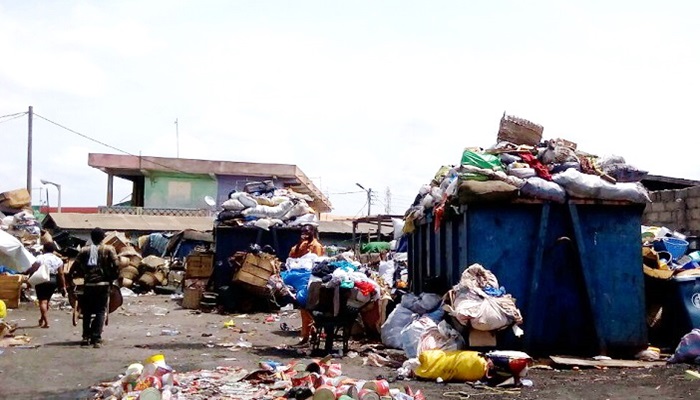
As a consequence, around 276,515 households resort to indiscriminate dumping as a means of disposing of their solid waste.
Moreover, 259,533 households bury their solid waste in the ground, while a staggering 1.9 million households opt to burn their waste, exacerbating environmental and health concerns.
Indiscriminate dumping appears to be particularly prevalent in the Savannah region, where approximately 14.4% of households reported engaging in the practice, followed closely by the Upper West Region at 13.7%.
Furthermore, the data reveals that about half (49%) of households in the Upper East Region dispose of their solid waste by burning, the highest percentage recorded, followed by the North East Region at 38.8%.
Alarmingly, nearly a million households (930,419) lack a receptacle to store their solid waste, representing approximately one in every 10 (11.2%) households nationally.
This lack of proper waste storage facilities further exacerbates waste management challenges.
The situation is particularly dire in the Upper East and Upper West regions, where more than a quarter of households do not have receptacles to store their solid waste, at 27.2% and 26.6%, respectively.
These findings underscore the urgent need for comprehensive waste management strategies and infrastructure development across Ghana to address the growing waste management crisis and mitigate its environmental and health impacts.



