

Prime rate cut to 29%
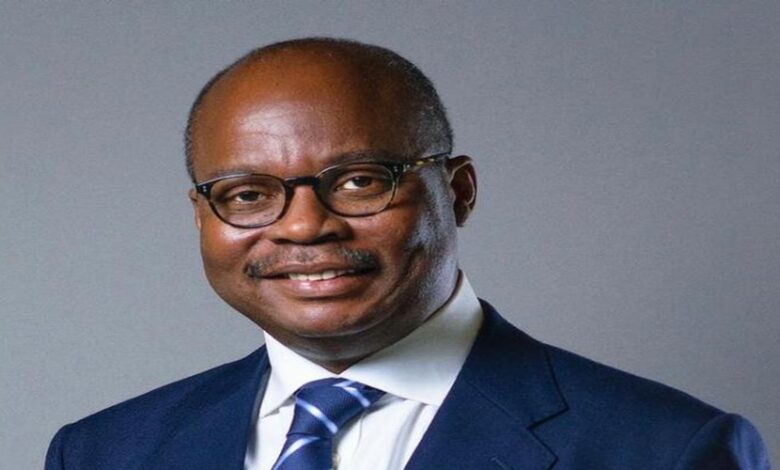
-A reflection of the impact of IMF bailout
By Isaac AIDOO, Accra
The Bank of Ghana (BoG) announces its expectation to anchor the average inflation for 2024 at 15%, driven by favorable factors supporting the disinflation process.
The tightening monetary policy stance throughout 2023, along with favorable international crude oil prices leading to stable ex-pump prices and transportation costs, and relative stability in the exchange rate are deemed critical in slowing down inflationary pressures.
The inflation rate was 53.6% in January 2023 but reduced to 23% in December 2023. Governor of the Bank of Ghana, Dr. Ernest Addison, informed journalists in Accra this morning that positive developments, combined with the measures put in place, have led to a revision of the government’s inflation target.
“The latest forecast suggests that the disinflation process will continue, and headline inflation is expected to ease to around 13-17% by the end of 2024, before gradually trending back within the medium-term target range of 6-10% by 2025,” stated Dr. Addison.
Despite the positive forecasts, Dr. Addison mentioned that the Monetary Policy Committee had acknowledged the upside risks to the inflation outlook. Consequently, there is a need for strict implementation of the 2024 budget and a tight monetary policy stance to sustain the disinflation process.
Dr. Addison emphasized that both headline and core inflation are declining and projected to decelerate further.
Inflation expectations appear well-anchored, fiscal policy implementation is broadly in line with expectations, the current account balance is in surplus and likely to remain so in the near term, foreign exchange reserve build-up has been strong, and should support a stable exchange rate outlook.
The benchmark key interest rate indicator, the 91-day Treasury bill rate, has also declined over the year in response to macroeconomic conditions.
These conditions have positively impacted sentiments, with improvements in business and consumer confidence.
However, growth remains below potential, necessitating policy support, including assistance from the supply-side.
The Committee, recognizing the emerging recovery, decided to reduce the Monetary Policy Rate by 100 basis points to 29%.
The Governor cautioned about potential upside risks to the inflation outlook, emphasizing the importance of strict implementation of the 2024 budget and a tight monetary policy stance to sustain the disinflation process.
Regarding the banking sector, Dr. Addison mentioned that banks’ liquidity and profitability positions had improved following domestic debt restructuring.
He anticipates that early recapitalization and effective risk management by banks will contribute to overall banking sector stability and resilience, ensuring effective financial intermediation to strengthen economic recovery efforts.
Discussing domestic macroeconomic conditions, Dr. Addison indicated a gradual recovery in economic activity due to the positive results of the International Monetary Fund (IMF) Extended Credit Facility (ECF) program. However, growth remains below potential, requiring policy support, including assistance from the supply-side.
It is worth noting that the IMF recently projected a 2024 inflation rate for Ghana of 15%, with a gradual decline to 8% in 2025.
This projection has faced skepticism from analysts, including Professor Lord Mensah, a professor of finance at the University of Ghana Business School (UGBS).



