‘Ghana needs a better regulated gas sector’
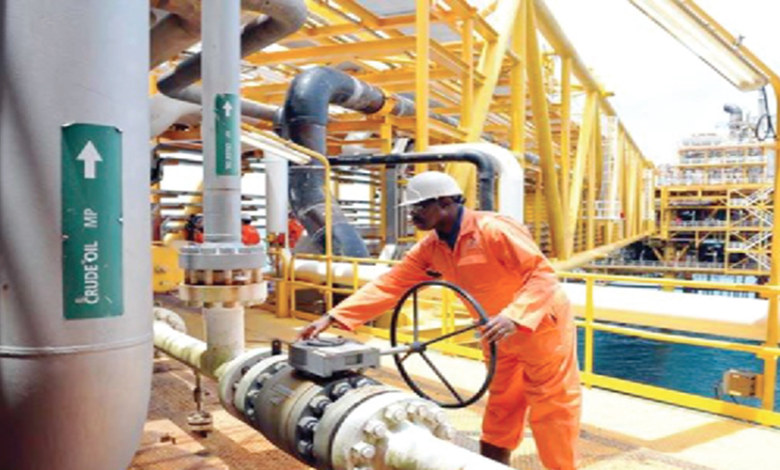
By Isaac AIDOO, Accra
AS countries seek a deal on fossil fuels at COP28 in the United Arab Emirates (UAE), and commit to, among others, slash greenhouse gas emissions before 2030, the Natural Resource Governance Institute (NRGI) is pushing for reviewers of Ghana’s Gas Masterplan to be guided by the energy transition and come out with a better regulated gas sector.
NRGI maintains that the ongoing review of gas masterplan cannot be without the benefit of the country’s energy transition framework, and efforts to increase the production of the commodity in tandem with in investment in gas infrastructure.
The Institute argued that “the optimal role of gas in Ghana’s energy transition requires nuanced consideration and raises pivotal questions that merit thorough exploration in the ongoing master plan review.”
According to Mr Samuel Bekoe, energy consultant appointed by NRGI, it was critical for Ghana to seize opportunities in the clean energy space, minimize exposure to economic risks, manage climate risks while ensuring a cost effective supply of power to the most underserved.
He observed that energy transition considerations had gained prominence and would require a revision of the key metrics in Ghana’s transition framework.
The masterplan needs to consider the estimation on upstream investments required to sustain gas production during the transition period.
“There is a need to use the review process to foster greater synergy between Ghana’s gas masterplan and existing frameworks such as the Strategic National Energy Plan, Ghana Integrated Power System Master Plan and the Renewable Energy Masterplan,” Mr Bekoe stated
Transparency in gas contracts non-negotiable
Transparency of gas contracts & contract terms matter in the use of gas in the energy transition.
Financing challenges
Financing for gas in the energy transition is scarce and would even be worse as energy transition takes shape there is need to assess the vulnerability of financing in a globally competitive transition market.
Resource Availability
Continuous exploration and development activities are required to ensure a sustainable supply of gas in the long term.
Regulatory incoherence and institutional regulatory overlaps have not encouraged additional investments in the sector due to the lack of clarity on which body is regulating what.
Promote inclusive consultations for Gas Masterplan review
It is crucial to highlight the importance of broader consultations in the review of the gas masterplan. This will ensure that the targets are realistic, & the risks associated with various gas use options are minimized.
Gas reserves are estimated to be between 1.5 and 1.7 trillion cubic feet (Tcf), including undiscovered reserves
Despite the government’s plans to increase gas production, Ghana needs to develop its gas infrastructure.
The current gas infrastructure is inadequate, forcing gas to be re-injected or flared.
Gas exports from the production fields to the Sanzule Onshore Receiving Facility (ORF) and the Atuabo Gas Processing Plant (AGPP) were substantially delayed due to challenges with the completion of the gas infrastructure
A total of 125,891 MMSCF from all three producing fields have been flared between 2011 and 2022 valued at US$936.44 million (assuming prices of different products by GNGC in 2022). The Jubilee and TEN fields for instance have seen significant increases in flared gas since 2020.