Telcos paid GH₵6.07bn to govt in 2022- Ing. Dr. Ashigbey
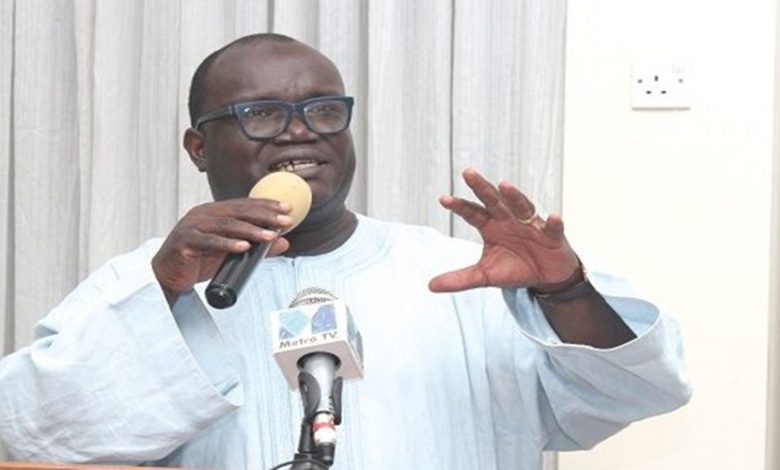
By Elvis DARKO, Accra
The Ghana Chamber of Telecommunication (GCT) has reported a significant increase in the cumulative sum of taxes, fees, levies, and other payments remitted by the telecommunications sector to the government of Ghana.
According to Ing. Dr. Kenneth Ashigbey, the Chief Executive Officer of GCT, the industry paid a total of GH₵6.07 billion in 2022, marking an impressive surge of over 50% from the GH₵4.02 billion paid in the previous year.
He disclosed this information during the launch of the 2022 Mobile Industry Transparency Initiative report.
8.02% of 2022 tax revenue
Ing. Dr. Ashigbey highlighted that the industry’s contribution of GH₵6.07 billion constituted approximately 8.02% of the government’s 2022 tax revenue of GH₵75.71 billion, as outlined in the 2022 annual report of the Ghana Revenue Authority (GRA).
Tax contribution methodology
The study employed the Total Contribution methodology, encompassing both tax and non-tax contributions made by GCT members to the government.
GH₵1.27bn Corporate Income Tax (CIT)
He announced that Corporate Income Tax increased from GH₵892.4 million to GH₵1.27 billion, accounting for 23.1% of all taxes paid by the industry in 2022.
GH₵923m VAT
He disclosed that Value Added Tax (VAT) surged from GH₵643.6 million to GH₵923 million, marking a 43.42% increase.
GH₵679.4m Withholding Tax
Ing. Dr. Ashigbey said Withholding Tax rose from GH₵610.5 million in 2021 to approximately GH₵679.4 million in 2022, growing by over 11%.
GH₵511.6m Communications Service Tax
According to him, Communications Service Tax grew by 26.7%, reaching GH₵511.6 million in 2022 from GH₵403.9 million in 2021.
GH₵768m in NHIL, GET Fund and COVID-19 levy levies
He stated that levies, including the National Health Insurance Levy (NHIL), Ghana Education Trust Fund (GET Fund) levy, and the COVID-19 levy, collectively contributed GH₵768 million in 2022, indicating a growth of 31.4%.
He announced that Import duty collections in 2022 witnessed a significant jump of 78.5%, attributed to the depreciation of the Ghana Cedi against major trading partners.
GH₵175.2m PAYE
The report’s analysis revealed a 26.9% increase in the Pay as You Earn (PAYE) tax line, rising from GH₵138 million in 2021 to GH₵175.2 million in 2022.
GH₵482.8 E-Levy
Kin respect of Electronic Transfer Levy (E-Levy) , he said the government managed to raise GH₵482.8 million out of the targeted GH₵6.9 billion.
Industry challenges and recommendations
The CEO of the Chamber emphasized the industry’s vital role in socio-economic development and argued against taxing it similarly to ‘sin’ industries like alcohol and tobacco.
Ing. Dr. Ashigbey said the industry currently allocates 46.31% of its revenue to government in the form of taxes, levies, and charges.
Despite contributing a significant 2.27% to the country’s Non-Oil GDP, he stated that the industry bears a disproportionate tax burden, contributing 7.28% of Government Tax Revenue.
He explained that elevated taxation levels have significantly impacted the industry, particularly concerning industry-specific taxes that distort the market and deter investments.
According to him, the industry employs directly over 2,600 persons and over 1.2 million indirect jobs, including more than 505,000 active Mobile Money Agents.
The industry invested over GH₵3 billion in Capital Expenditure in 2022, driving network expansion, improving service quality, and creating jobs for Ghanaians.
Policy recommendations
Ing. Dr. Ashigbey proposed import duties and tax waivers on critical telecommunications equipment, including components for the provision of solar energy.
He recommending a reduction in the E-Levy rate to align it with the government’s digital by default strategy.
He called for a policy on accelerated depreciation for the telecommunications industry and providing tax waivers and holidays.
In conclusion, the telecommunications sector, while contributing significantly to the government’s revenue, faces challenges that need addressing for sustained growth and development.
The report’s findings and recommendations aim to stimulate further dialogue between industry stakeholders and policymakers to ensure a balanced and thriving telecommunications sector in Ghana.