Lowering the Presidential Age to 35, is it a New Door for Ghana’s Youth?
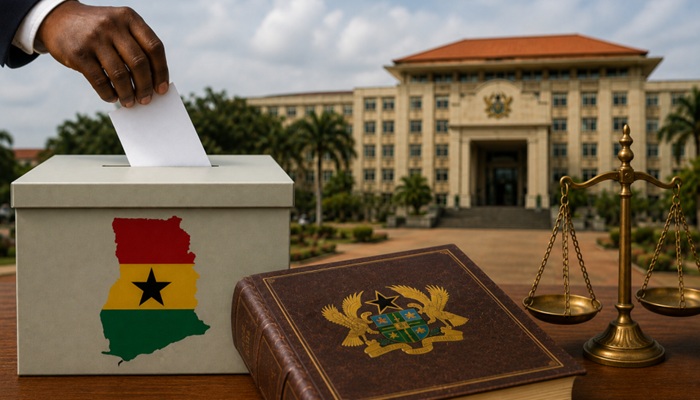
The government’s decision to back the Constitutional Review Committee’s recommendation to reduce the minimum age for presidential candidates from 40 to 35 years has opened an important conversation about the future of political leadership in Ghana. More than a constitutional amendment, the proposal raises a fundamental question: Is Ghana finally ready to give younger people a meaningful chance at the highest levels of political leadership?
For years, Ghanaian politics has been dominated by older generations. While experience remains valuable in public office, age alone should not be the measure of a person’s ability to lead a country. A 35-year-old with competence, integrity, vision and a strong understanding of the challenges facing the country may be better prepared to lead than an older candidate who lacks those qualities.
Reducing the age requirement could therefore remove an artificial barrier that has prevented some potentially capable Ghanaians from considering the presidency.
Ghana has a youthful population, yet young people remain significantly underrepresented in political decision-making. Young Ghanaians are often encouraged to participate in politics as campaigners, party activists, social media communicators and voters, but when it comes to occupying the most influential positions, the opportunities become narrower.
That imbalance deserves attention. A lower presidential age could signal that leadership should be based less on how many years a person has lived and more on what that person can contribute. It could encourage a new generation of politicians to begin preparing earlier for national leadership, rather than waiting until they reach an arbitrary age before being considered eligible.
But lowering the age limit must not be mistaken for a guarantee of better leadership. There is a danger in romanticising youth. Being young does not automatically make someone innovative, incorruptible or competent. Ghana needs leaders who can manage the economy, strengthen institutions, protect democratic values and make difficult decisions. Those qualities are not exclusive to either the young or the old.
The real test, therefore, will be whether political parties are willing to create genuine opportunities for younger people. It is one thing to amend the Constitution and allow a 35-year-old to contest the presidency. It is another for political parties to place young people in positions where they can build experience, influence policy and compete meaningfully for leadership.
The amendment should consequently be accompanied by broader reforms within Ghana’s political system. Political parties must invest in leadership development and create transparent pathways for young people to rise through the ranks. Young politicians should also be prepared to demonstrate competence rather than rely solely on their age as a qualification.
There is also a need for young people themselves to become more intentional about political participation. They cannot demand opportunities while remaining spectators. They must engage in policy debates, community development, public service and political organisation. They must build credibility long before seeking high office.
Ultimately, the proposed reduction from 40 to 35 years could be an important step towards making Ghanaian politics more representative of its youthful population. But the real opportunity lies beyond the constitutional amendment.
Ghana does not simply need younger leaders; it needs better leaders. If the reform creates space for a new generation of competent, ethical and visionary politicians, then it will have achieved something significant. If, however, it merely lowers the age threshold while political parties continue to recycle the same leadership structures, little will change.
The question, therefore, is not simply whether a 35-year-old can become President. The bigger question is whether Ghana is prepared to give its young people the opportunity, responsibility and institutional support to prove that they can lead.
The door may soon be opened. It is up to Ghana to ensure that the right people are ready to walk through it.