Afrobarometer: 82% of Africans Blame Govts for High Cost-of-Living
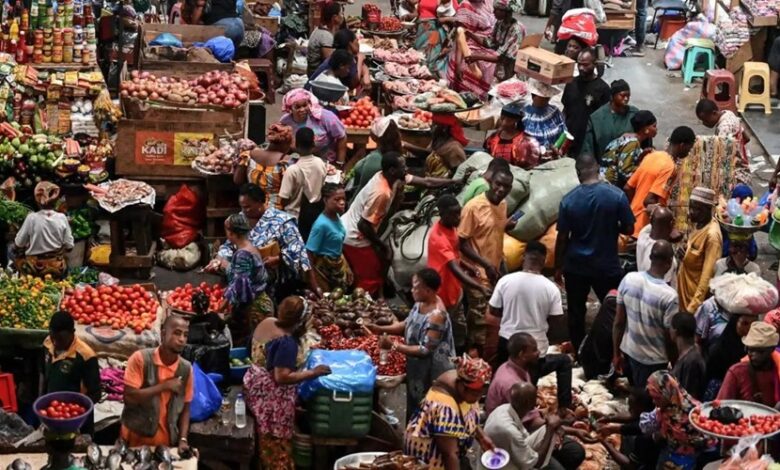
A new continental survey by the Afrobarometer has revealed widespread dissatisfaction across Africa over rising living costs, unemployment and inequality, despite signs of modest economic recovery in several countries.
The survey, which sampled 50,961 respondents across 38 African countries, found that 82 percent of Africans believe their governments are failing to control prices, while 79 percent say authorities are not doing enough to reduce inequality. In addition, 76 percent of respondents expressed dissatisfaction with job creation efforts.
The findings point to a persistent cost-of-living crisis that continues to shape public perceptions of economic performance across the continent.
Widespread economic hardship
According to the report, 59 percent of respondents described their national economic conditions as “fairly bad” or “very bad,” while nearly half said their personal living conditions remain poor.
The survey also highlights the depth of economic hardship experienced by households. Nearly four out of five respondents (79 percent) reported going without cash income at least once in the past year. About 65 percent said they lacked access to medical care, while 58 percent experienced food shortages. More than half also reported shortages of clean water and cooking fuel.
These indicators reflect continued vulnerability among households, even as some economies record improvements in macroeconomic indicators such as inflation and GDP growth.
Jobs and cost of living remain top concerns
Unemployment emerged as one of the most pressing issues for citizens, with 33 percent of respondents identifying it as a top priority for government action. Healthcare ranked first at 38 percent, followed by the rising cost of living at 23 percent.
Other key concerns included poverty reduction, economic management and wage levels, all of which continue to dominate public expectations of government performance.
Perception gap between growth and lived reality
The report notes a growing disconnect between macroeconomic recovery in several African economies and the lived experiences of ordinary citizens. While some countries have reported stronger growth, easing inflation and improved fiscal stability, these gains have not yet translated into widespread improvements in household welfare.
Despite this, Afrobarometer observed modest improvements in public perceptions compared with the immediate post-pandemic period. Across 28 countries tracked over time, the proportion of citizens who view their national economies negatively has declined by seven percentage points since the 2021–2023 period, although conditions remain worse than a decade ago.
Policy implications
The findings highlight a key policy challenge for African governments: translating economic growth into tangible improvements in employment, income levels and living standards.
While fiscal consolidation efforts, inflation control measures and structural reforms have shown some progress at the macro level, the survey suggests that citizens continue to feel excluded from the benefits of recovery.
Analysts say the results underscore the need for more inclusive growth strategies that prioritize job creation, social protection and cost-of-living relief, particularly for vulnerable households.
Outlook
The report concludes that although economic conditions in parts of Africa are gradually improving, public sentiment remains largely negative due to persistent hardship in daily life.
For millions across the continent, the cost-of-living crisis remains a defining economic challenge, with governments under increasing pressure to ensure that recovery efforts translate into real and visible improvements in people’s lives.