Congo and Uganda Sign Six New Cooperation Deals
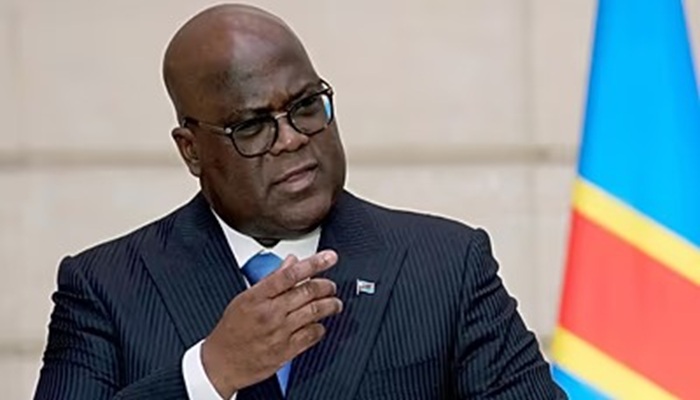
Uganda and the Democratic Republic of Congo (DRC) have signed six new bilateral agreements aimed at strengthening cooperation across key sectors. The agreements were concluded on Monday during the 9th session of the Joint Standing Committee in Kampala, attended by Congolese President Félix Tshisekedi ahead of Ugandan President Yoweri Museveni’s swearing in ceremony.
The six Memoranda of Understanding cover trade, security, diplomatic relations, and tourism. Uganda’s State House described the deals as an important step in deepening people to people ties, improving cross border cooperation, expanding trade opportunities, enhancing connectivity, and supporting peace and stability in the Great Lakes Region.
Officials say the agreements are expected to boost trade between Kampala and Kinshasa. The DRC remains Uganda’s largest trading partner and one of its biggest export destinations. Irene Batebe, Permanent Secretary at the Ministry of Energy and Mineral Development, revealed that Uganda’s exports to the DRC were valued at more than $800 million in 2025/26, with total bilateral trade reaching about $1 billion.
Beyond trade, the two countries also reaffirmed their security partnership. Since 2021, Ugandan and Congolese forces have been jointly engaged in Operation Shujaa, a military offensive against the Islamic State affiliated Allied Democratic Forces (ADF) in eastern Congo. The renewed commitment comes amid fresh ADF attacks, with both governments pledging to intensify joint operations to restore peace in the region.
Observers say the new agreements reflect a broader effort to consolidate economic and security ties between the two neighbours. For Uganda, the deals promise stronger export growth and regional stability, while for Congo, they offer support in tackling insurgency and expanding trade routes.
The Kampala meeting underscored the importance of regional cooperation within the Great Lakes Region, with both leaders emphasising that closer ties will benefit citizens on both sides of the border. The agreements are expected to lay the foundation for deeper collaboration in the years ahead, strengthening economic resilience and security in one of Africa’s most volatile regions.
In addition, both governments highlighted the importance of infrastructure development, pledging to explore joint projects in roads, energy, and transport to further ease movement of goods and people across their shared border, thereby deepening integration and economic growth.