

Surge in Teenage Pregnancies Among BECE Candidates Raises Alarm
Maame Efua Kwaduah
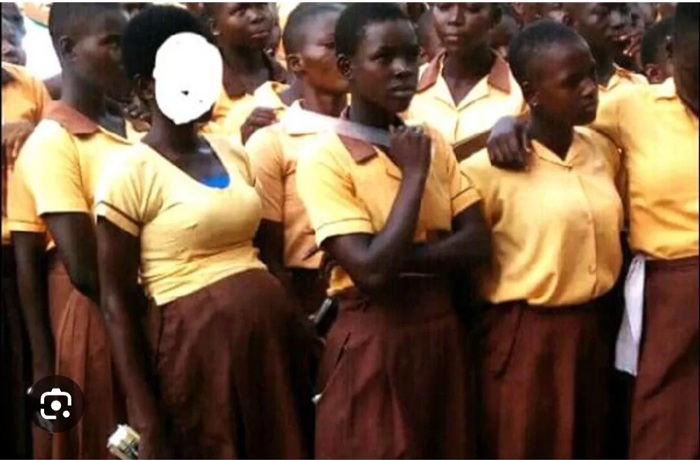
The 2026 Basic Education Certificate Examination (BECE), which began nationwide on Monday, May 4, has reignited public debate over teenage pregnancy and the right of pregnant girls and nursing mothers to continue their education.
The examination, expected to end on May 11, is being written by thousands of candidates across the country, including several pregnant schoolgirls and nursing mothers.
Reports from the Ahafo Region indicate that at least 15 pregnant girls and 10 nursing mothers are sitting for the examination, while six pregnant girls are also writing the BECE in the Anloga District and three others in the Adaklu District.
The development has sparked mixed reactions among sections of the public, with some Ghanaians advocating the protection of the girl-child’s right to education, while others insist stronger measures must be implemented to reduce teenage pregnancies in schools.
Speaking to the New Finder, a cross-section of Ghanaians, argued that pregnancy should not mark the end of a girl’s academic journey.
One resident said pregnant girls should be allowed to continue schooling because “pregnancy does not stop someone from achieving success in life.”
According to him, many teenage pregnancies are unplanned and often linked to inadequate parental guidance, poor supervision, and the growing influence of social media and peer pressure among young people.
He stressed the need for more education on sexual and reproductive health in schools and homes to help young girls make informed decisions.
Another respondent also supported the continued education of pregnant girls but suggested that more attention should be placed on preventive measures.
He said many parents fail to openly educate their children on sexual behaviour and the consequences of early pregnancy, leaving teenagers vulnerable to exploitation and peer influence.
Others, however, expressed concern about the physical and emotional burden pregnancy places on schoolgirls during examinations.
One respondent argued that pregnant candidates and nursing mothers should be deferred temporarily to allow them adequate time to recover and focus on their education later.
According to him, the stress associated with pregnancy, including sickness, fatigue, and childcare responsibilities, could affect academic performance and concentration during examinations.
He added that allowing pregnant girls to continue schooling without strong preventive measures may fail to discourage other teenagers from engaging in activities that could lead to pregnancy.
Another participant described teenage pregnancy as a growing national concern that requires urgent intervention from government, religious institutions, schools, parents, and traditional leaders.
He blamed the increasing cases on poverty, parental irresponsibility, exposure to inappropriate online content, peer pressure, and the lack of proper monitoring of students, especially those who travel long distances to school.
According to him, many parents are unable to provide adequate care and supervision for their children due to economic hardship, forcing some girls into situations that expose them to early pregnancy.
He further called for nationwide public education campaigns and stronger collaboration between stakeholders to address the issue.
Some respondents also stressed that while pregnant girls have a constitutional right to education, there should be deliberate policies aimed at reducing teenage pregnancy in schools through intensified sex education and counselling programmes.
They called on the Ministry of Education, schools, churches, mosques and parents to strengthen guidance and reproductive health education among teenagers.
Others suggested that schools should introduce more preventive education on safe sexual behaviour and the consequences of teenage pregnancy to help reduce the rising number of cases among school-going girls.
The debate continues as Ghana balances the need to protect the educational rights of girls while tackling the growing challenge of teenage pregnancy among students.



