Oil Nears $110 as Strait of Hormuz Crisis Shift
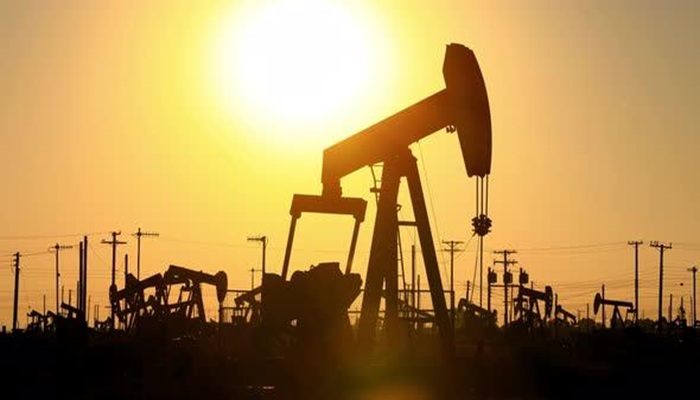
Global oil markets are entering a new phase of tension, as Brent crude oil prices push toward the $110 per barrel mark, driven less by outright supply disruption and more by a deepening crisis of confidence surrounding the Strait of Hormuz.
For weeks, the narrow waterway, which carries nearly a fifth of the world’s oil supply, has been at the centre of escalating geopolitical friction between United States and Iran. Initial fears were anchored in a worst-case scenario: a complete shutdown of the strait.
But the situation has evolved.
While Tehran has signaled conditional willingness to allow partial reopening, activity on the ground, and more critically, at sea, tells a different story. Shipping volumes remain below normal levels, with tanker operators proceeding cautiously. Some vessels are being rerouted, while others face delays, as insurers and traders price in heightened risk.
This shift from physical disruption to uncertainty is now the dominant force in the market.
Brent crude climbed to $109.83 per barrel on April 28, 2026, reflecting a 1.48 percent daily gain. Over a longer horizon, the rally is even more pronounced, with prices up more than 70 percent compared to the same period last year. Yet, this surge is not being driven purely by supply shortages.
Instead, markets are responding to instability in expectations.
Oil markets are fundamentally built on predictability. When traders cannot confidently assess whether supply routes will remain stable, even if they are technically open, prices begin to incorporate a “risk premium.” That premium is now firmly embedded in global crude pricing.
The implications extend far beyond trading floors.
For import-dependent economies such as Ghana, rising oil prices quickly translate into domestic economic pressure. Fuel costs tend to increase, placing upward strain on transportation fares, logistics, and ultimately food prices. Given the central role petroleum plays in production and distribution, the effects ripple across the entire economy, feeding into inflation and household cost burdens.
What makes the current situation particularly complex is that it is not tied to a single, measurable disruption. There is no definitive closure, no clear resolution, and no predictable timeline.
Instead, the global energy system is grappling with sustained uncertainty.
Even limited disruptions in the Strait of Hormuz carry outsized consequences because of the volume of oil that transits through it daily. Any perception that access could be compromised forces market participants to reassess supply security, often conservatively, pushing prices higher.
In essence, the crisis has shifted from a question of “Can oil flow?” to “Can oil flow reliably?”
Until that confidence is restored, markets are likely to remain on edge.
For households and businesses alike, this means the impact of geopolitical tension is no longer distant or abstract. It is increasingly visible in everyday costs, from fuel at the pump to the price of goods on store shelves.
What is unfolding is not just an energy market story. It is a broader economic signal, one that underscores how interconnected global systems have become, and how quickly uncertainty in one region can reshape financial realities across the world.