Cost of Credit Driving Loan Defaults in Ghana — BOG Governor
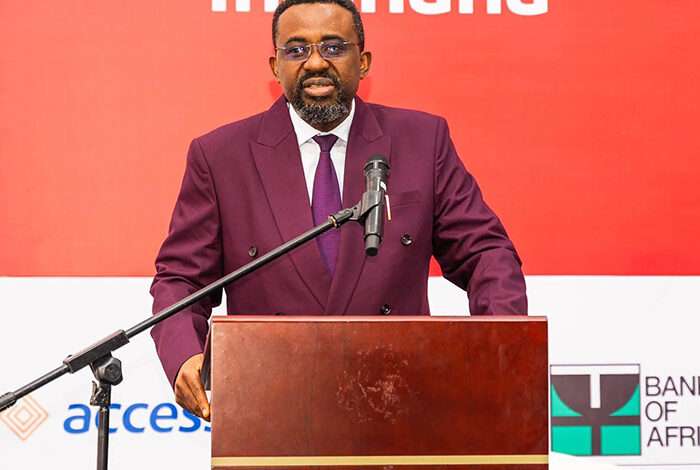
The Governor of the Bank of Ghana, Dr. Johnson Asiama, has renewed calls for a significant reduction in lending rates, warning that the current cost of borrowing is choking businesses and contributing to rising loan defaults.
Speaking at a recent international conference, Dr. Asiama stressed that lending rates remain one of the most critical challenges facing Ghana’s private sector.
“If you ask me, in this country, lending rates [are] the most important. When I look at the rate at which firms have to borrow — if you borrow money at over 30%, can you really repay?” he questioned.
According to him, the high cost of credit is directly linked to the growing levels of non-performing loans (NPLs) within the banking sector.
“It’s not surprising NPLs are very high. I don’t blame many of the firms that default — it’s just impossible,” he said.
Dr. Asiama emphasized that policymakers must take deliberate steps to ease borrowing conditions.
“We have to do what we have to do to get lending rates down — and you do it in a meaningful way,” he stated.
Beyond interest rates, the BoG Governor underscored the importance of communication in shaping economic stability, noting that the central bank has ramped up its engagement efforts, particularly on digital platforms.
“If you notice, we do a lot of messaging nowadays. You see me talking on social media — it’s all part of the game,” he explained.
He indicated that years of macroeconomic instability have influenced how businesses set prices, often factoring in expectations of cedi depreciation.
“Everyone assumed that the cedi is going to fall by 20% next year, and so you price accordingly,” he said, adding that such behaviour has fueled inflationary pressures.
Dr. Asiama noted that rebuilding confidence in the economy is essential to reversing these trends.
“You have to be able to win the confidence of the people, and then you get them to act accordingly,” he said.
He expressed optimism that sustained economic stability could gradually shift behaviour without the need for enforcement.
“If we are able to sustain these gains for another year, I’m quite sure that people don’t have to be compelled to price in the cedi. They themselves will see the need to operate in the cedi,” he added.
The Bank of Ghana has in recent months intensified efforts to stabilize the local currency and anchor inflation expectations, with officials increasingly relying on clear and consistent communication as part of the broader policy toolkit.