

Media embrace govt’s support
-But, seeks clarity on grey areas, question some laws
By Selorm GBORBIDZI, Accra
Stakeholders in the media space have expressed significant satisfaction with the Ministry of Information’s media support programmes.
They however sought clarifications on certain areas of the programmes as well as raised concerns about the ambiguity of certain laws that still inhibit the work of journalists in the country.
The media support programmes encompass various interventions by the Ministry to ensure the protection of journalists, enhance the capacity of journalists, combat public misinformation and disinformation, and address egregious media content, among other objectives.
5 key programmes
The five key programmes that have been in operation for the past three years, according to the Minister, includes Coordinated Mechanism for the Safety of Journalists which focuses on ensuring the safety and security of journalists while they perform their duties.
Others are Media capacity enhancement programme designed to enhance the capacity and skills of media practitioners, collaboration to contain egregious media content- a collaborative effort to address issues related to offensive or harmful media content, campaigns against misinformation which aims to combat the spread of misinformation and disinformation and industry support through global partnerships that seeks to strengthen the media industry through partnerships with global entities.
Stakeholders at the forum
Stakeholders from various media-related organizations, including the National Media Commission (NMC), Ghana Journalists Association (GJA), Ghana Independent Broadcasters Association (GIBA), and Private Newspaper Publishers Association of Ghana (PRINPAG), actively participated in discussions and shared their insights on the achievements, challenges, and future directions of these programs.
The conference was attended by editors, seasoned journalists, media managers, civil society members, Members of Parliament, and others.
Notable attendees also included the Member of Parliament (MP) for Bortianor-Ngleshie Amanfro, Sylvester Matthew Tetteh, Vice-Chairperson of the Communications Committee; Samuel Nartey George, MP for Ningo-Prampam and Ranking Member of the Committee; and Professor Audrey Gadzekpo, a Professor at the Department of Communication Studies of the University of Ghana, along with other well-known media practitioners and managers.
Bolstering democracy
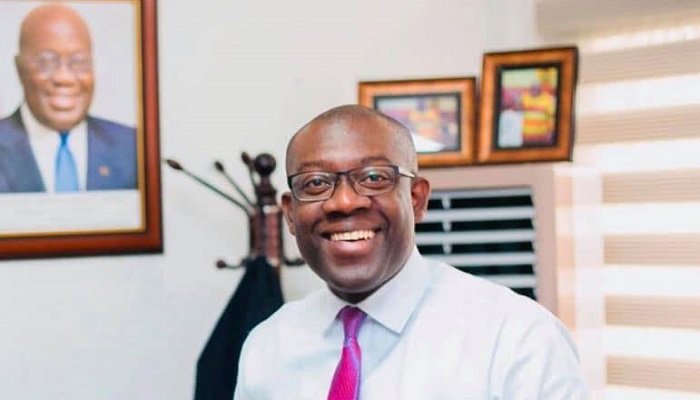
Addressing the gathering, Minister for Information, Kojo Oppong Nkrumah, underscored the indispensable role of government’s media support programmes in bolstering democracy in the country.
He mentioned that research conducted by the Research and Policy Unit of the Ministry upon his appointment as Minister identified key issues facing the Ghanaian media: the safety of journalists, the capacity of individuals practicing journalism, and ensuring that egregious media content was contained.
This recognition has led to the development of five essential programs over the past three years aimed at supporting and enhancing the media sector.
Mr Oppong Nkrumah reiterated the government’s commitment to strengthening the democratic landscape through continued support for the media sector.
He emphasized the importance of collaboration and collective efforts in achieving the sector’s goals.
Views of stakeholders
Stakeholders generally reviewed the programmes positively but felt that they should target senior levels of the media so that their effects can be felt in the newsrooms, as it is usually the top hierarchy of the newsroom that has the capacity to impact their junior colleagues.
This sentiment was echoed by Kafui Kanyi of the Ghana News Agency and his colleague editors from the Ghanaian Times and Daily Graphic.
Concerns about safety of journalists
Regarding the safety of journalists, there was a general sense that the National Coordinated Mechanism on the Safety of Journalists has not been sufficient as a shield or deterrent to prevent the growing attacks against media personnel.
General Manager of CitiFM/Citi TV Mr Bernard Avle, called for more clarity on the mechanism’s intended purpose.
Host of Newsfile on Joy FM Samson Anyenini, wondered how the mechanism’s interventions differed from the National Media Commission’s response.
Mr Oppong Nkrumah explained that the mechanism served as a guide for engaging with security agencies, who are the key culprits in cases of assaults against media practitioners.
Misinformation and disinformation
On the issues of misinformation and disinformation, there was agreement about the negative implications of these practices on the media profession.
However, some participants believed that labeling news items as false news could be detrimental to the media practice.
They urged caution while still calling for robust action to tackle deliberate acts of misinformation, particularly considering the capability of artificial intelligence in generating fake content as the 2024 elections approach.
The forum, themed “Assessing the Impact of the Media Support Programs,” brought together key media stakeholders, government representatives, and media practitioners to discuss the government’s support for the media sector and potential areas for further assistance.
The forum served as a platform for open dialogue among stakeholders and featured presentations on the programs implemented by the Ministry of Information, highlighting key achievements, challenges, and the way forward.
Participants had the opportunity to ask questions, make comments, and provide recommendations on various issues discussed.
The event underscored the vital role that media support programs play in promoting democracy and fostering a healthy information ecosystem in Ghana.



