Wage Bill Swallows 44% of Govt Tax Revenue
By Praisebell Rosemond Larbi
Ghana’s fiscal pressures have deepened, with the country’s wage bill consuming 44 percent of total tax revenue in 2025, well above the 35 percent benchmark recommended by the Economic Community of West African States (ECOWAS).
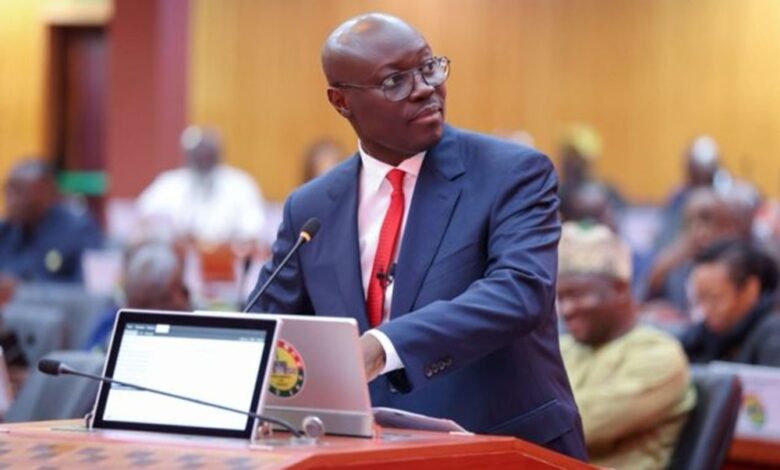
This was disclosed by Finance Minister Cassiel Ato Forson during a high-level engagement between President John Dramani Mahama and organised labour, where discussions centred on public sector compensation and the broader fiscal outlook.
Mounting Fiscal Strain
According to the Minister, Ghana mobilised a total of GH¢183 billion in tax revenue in 2025. However, a significant portion of this amount was already pre-committed to statutory and financial obligations.
Out of the total revenue, GH¢122.1 billion was absorbed by statutory transfers and debt servicing. These included payments to key funds and obligations such as the District Assemblies Common Fund (DACF), GETFund, the National Health Insurance Levy (NHIL), and interest payments on public debt.
This left the government with only GH¢61.9 billion in discretionary revenue to manage its operations.
However, the public sector wage bill alone stood at GH¢78.9 billion, far exceeding the remaining revenue and creating a financing gap of approximately GH¢17 billion.
To bridge this shortfall, the government had to resort to borrowing, effectively taking on new debt simply to meet salary obligations.
Crowding Out Development
Dr. Forson warned that the combined weight of wages, statutory transfers, and debt servicing now exceeds total tax revenue, leaving little to no fiscal space for critical development spending.
This situation, he noted, is severely constraining government’s ability to invest in essential infrastructure such as schools, hospitals, and roads, key sectors required to drive long-term economic growth and improve living standards.
“The current structure of public finances means that after meeting mandatory obligations, very little is left for capital expenditure,” the Minister indicated, highlighting the structural imbalance in the country’s fiscal framework.
Balancing Wages and Sustainability
While acknowledging that the payment of fair and timely wages remains a constitutional responsibility of the state, the Finance Minister cautioned that the current trajectory of public sector compensation presents significant risks to fiscal sustainability.
He stressed the urgent need for a balanced approach that ensures workers are adequately compensated, while also safeguarding the country’s long-term economic stability.
This, he explained, would require careful management of wage growth, alongside broader fiscal reforms aimed at improving revenue mobilisation, rationalising expenditure, and enhancing efficiency in public spending.
A Call for Reform
The revelations add to growing concerns among policymakers and analysts about Ghana’s fiscal outlook, particularly in the context of ongoing economic recovery efforts.
With limited fiscal space and rising expenditure pressures, the government faces difficult policy choices in balancing competing demands supporting public sector workers, servicing debt, and investing in development.
Going forward, experts say sustained reforms will be critical to restoring fiscal balance, reducing reliance on borrowing, and creating the financial headroom needed to drive inclusive growth.