

Investigation Reveals Unethical Conduct in Public Hospitals
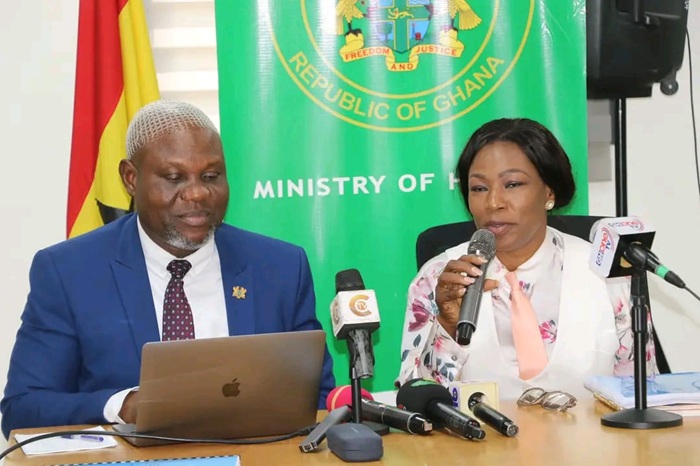
The Ministry of Health has officially received the investigative report into alleged unethical medical practices at the Greater Accra Regional Hospital and Korle Bu Teaching Hospital.
The five-member committee, chaired by Alhaji Dr. Inua Yusuf, presented its findings after a thorough examination of claims that some patients were being charged excessive fees for medical services and medications.
The committee confirmed that unethical practices had occurred, highlighting irregularities in billing and financial transactions that raised serious questions about transparency and accountability within parts of the healthcare system.
Among the key findings, the committee reported that a doctor allegedly accepted money directly from a patient to procure medical items for an amputation procedure a violation of the Ghana Health Service Code of Conduct.
Additionally, the investigation uncovered instances where patients made payments in foreign currency into private accounts for medical supplies, contravening Bank of Ghana regulations.
The report also cited a case where a medical officer signed on behalf of another doctor without authorization, an act described as a personal decision not sanctioned by the said doctor.
In response, the committee recommended further investigations by relevant state institutions into the financial transactions, particularly the use of foreign currency for local medical payments.
It also called for strengthened internal management and compliance systems in public hospitals, especially at the Greater Accra Regional Hospital, to prevent recurrence.
Chairman Dr. Inua Yusuf emphasized that the recommended sanctions are intended to serve as a deterrent and uphold professional standards across the healthcare sector. While the report ruled out evidence of organized collusion between doctors and suppliers, it highlighted systemic weaknesses and isolated incidents that may have contributed to public perceptions of misconduct.
The report also identified broader structural challenges affecting the availability of surgical implants and consumables, noting that financial constraints at public hospitals sometimes force patients to source essential items privately exposing them to financial and ethical risks.
Recommendations include improved complaint management systems, orientation programs on legal and ethical standards for medical personnel, enhanced documentation procedures, and the creation of a dedicated revolving fund for surgical implants.
The Ministry of Health, represented by Deputy Minister Dr. Grace Ayensu-Danquah, commended the committee for its independent and detailed work and assured the public of its commitment to transparency, accountability and high standards in service delivery.



