Actor Behind ‘Papa Ajasco’ Opens Up on Legal Limits and Financial Hardship

Veteran Nigerian actor Abiodun Ayoyinka, widely recognised for portraying the famous television character Papa Ajasco, has revealed the personal and financial struggles he has faced despite decades of popularity across Africa.
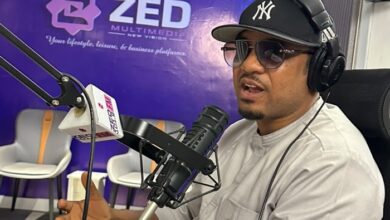
In an emotional interview with media personality Lucky Udu, Ayoyinka explained that the character that made him a household name has also limited his opportunities due to intellectual property restrictions. According to him, the rights to the character, including the name, appearance and signature bald-headed look, are owned by Wale Adenuga and his company, Wale Adenuga Productions.
Ayoyinka disclosed that although many companies approach him for brand endorsements and public appearances, they typically want him to appear as Papa Ajasco. However, he cannot legally use the character without permission from the production company that created it.
He explained that this situation has made it difficult to take advantage of opportunities that could improve his financial situation. Even the costume and mannerisms associated with the character, he said, cannot be used independently without authorisation.
The actor further noted that the strength and popularity of the character have overshadowed his identity as an individual performer. Over the years, audiences and producers have become so accustomed to seeing him as Papa Ajasco that they rarely consider him for other roles.
Ayoyinka also shared details of the financial challenges he has experienced since stepping away from active service. The actor previously worked with the Lagos State Ministry of Tourism, Arts and Culture, but he said life after retirement has been difficult.
According to him, he has struggled to maintain financial stability in recent years. In the interview, he admitted that he does not own a house or a car, a revelation that surprised many fans who associate his long career with success.
His story has sparked renewed discussion within Nigeria’s entertainment industry about the welfare of veteran actors and the nature of contracts that grant producers ownership of popular characters.
Many supporters say Ayoyinka’s experience highlights the gap that often exists between public fame and the real-life financial security of performers who dedicate their lives to entertaining audiences.