

Tri-Star Experimental School Marks 69th Independence Day with Cultural Heritage Focus
By Joyce Ayine
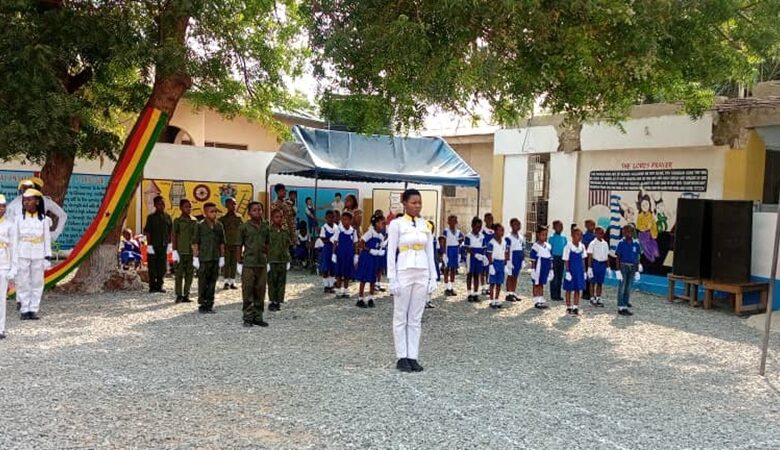
Pupils of Tri-Star Experimental School joined the nationwide celebration of Ghana’s 69th Independence Day with a colourful display of culture, marching drills and patriotic performances aimed at promoting Ghanaian heritage among the younger generation.
The celebration, held on the school’s premises, featured a march past by the school’s cadet troop and students, alongside teachers and parents who also participated in the parade to commemorate the day.
The event was marked by a series of cultural activities including recitals, traditional dances and musical performances by the pupils, highlighting the richness of Ghanaian culture.
The Headmaster of the school, Mathias Ashiboe-Mensah, said although the national theme for this year’s Independence Day is “Building Prosperity, Restoring Hope,” the school deliberately chose to focus on empowering pupils through Ghanaian cultural heritage.
Speaking to Zed News during the celebration of the country’s 69th Independence anniversary, Dr. Ashiboe-Mensah explained that the initiative is intended to instill a strong sense of cultural identity in the pupils.
“This year’s 69th Independence Day, we as a school are empowering the children with Ghanaian cultural heritage. We want the pupils to understand where they are coming from and teach them more about our culture and heritage,” he said.
According to him, educators have a responsibility to expose students to Ghanaian traditions and values so they can appreciate their roots while growing into responsible citizens.
Also speaking at the event, the Registrar of Data Link Institute of Business and Technology, Joseph Asamoah Dankyi, expressed concern that technology and globalisation are gradually drifting young people away from their cultural heritage.
He noted that many young people today are becoming more familiar with Western culture than the traditions of their own country.
Mr. Dankyi stressed that empowering the younger generation is both important and urgent, adding that such empowerment must begin with education.
“Empowerment begins with education. Our schools must intentionally teach Ghanaian history, traditions and languages. Children must not only learn from books but from storytelling and participating in cultural performances,” he said.
Some parents who attended the celebration expressed gratitude to the headmaster and teachers for mentoring their children and nurturing a sense of patriotism among them.
They also encouraged fellow parents to help teach their children how to sing the national anthem and other patriotic songs in different local languages to strengthen appreciation for Ghana’s rich heritage.
Mr. Dankyi further called on the government to support school owners in creating conducive learning environments and mentoring opportunities that will help shape pupils into responsible future leaders.
As part of the celebration, pupils were encouraged to learn traditional dances, play indigenous instruments, proudly wear local attire and participate in cultural debates and exhibitions.
Organisers also noted that social media platforms and educational applications can be used as tools to promote Ghanaian history and achievements among the youth.
They emphasised that preserving culture does not mean rejecting modernity but rather carrying Ghanaian identity confidently into the future.



