

30–45% of Locally Grown Tomatoes Spoil Annually
By Praisebell Rosemond Larbi
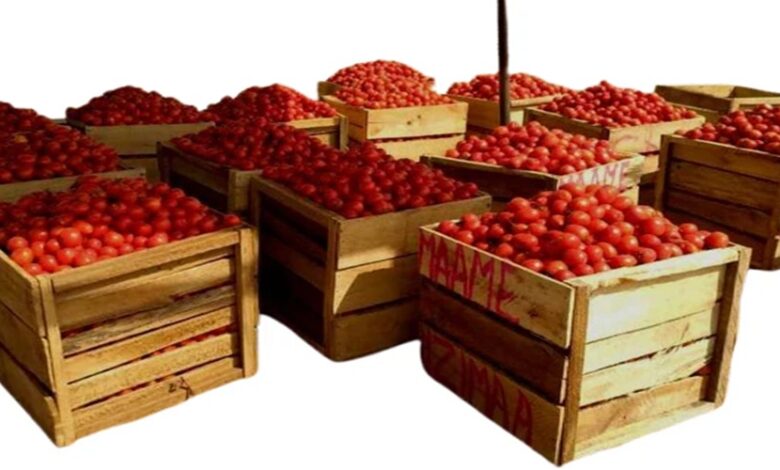
Ghana’s tomato industry is losing billions of cedis each year due to significant post-harvest losses, with between 30 and 45 percent of locally produced tomatoes spoiling before they reach consumers, according to new data from the Chamber of Agribusiness Ghana (CAG).
In a press release issued on February 16, 2026, the Chamber revealed that these losses translate into an estimated GH¢175 million to GH¢250 million annually. The primary causes include inadequate storage infrastructure, poor transportation systems, and weak post-harvest handling practices across the value chain.
The situation continues to undermine gains in agricultural production, as farmers struggle to preserve the quality of their produce long enough to access markets. Beyond income losses for farmers, the broader economy is also deprived of potential tax revenue, agro-processing opportunities, and job creation.
CAG further highlighted that the persistent inefficiencies in local tomato production and distribution have forced Ghana to depend heavily on imports. The country currently spends between GH¢650 million and GH¢760 million annually importing fresh tomatoes and processed tomato products, including paste.
Available data shows that Ghana imports between 75,000 and 100,000 metric tonnes of fresh tomatoes each year, alongside 78,000 to 100,000 metric tonnes of tomato paste. This places the country among the largest importers of tomato paste globally, despite having favourable conditions for local production.
The Chamber estimates that the long-term economic cost of an underdeveloped tomato sector is far more severe, with up to GH¢4.5 billion in potential wages lost annually, income that could have been generated if the value chain were fully optimized and industrialised.
To reverse the trend, CAG has proposed a comprehensive GH¢3.2 billion investment plan under its National Tomato Production Strategy (2026–2030). The strategy is designed to improve storage capacity, expand processing infrastructure, and strengthen supply chain efficiency.
If implemented effectively, the Chamber projects that the initiative could reduce tomato imports by at least GH¢600 million annually while generating about GH¢220 million in tax revenue. It is also expected to significantly boost local production, create jobs, and stabilise prices in the domestic market.
The Chamber stressed that without urgent and sustained investment, Ghana risks deepening its dependence on imports while continuing to lose value within its own agricultural sector.
“Addressing post-harvest losses is not just about reducing waste; it is about securing livelihoods, strengthening food systems, and retaining economic value within the country,” the statement emphasised.
As policymakers push for agricultural transformation and food security, stakeholders say fixing inefficiencies in high-demand crops like tomatoes will be critical to achieving long-term, sustainable growth in Ghana’s agribusiness sector.



