

Nearly 90% of Ghanaians Concerned About Rising Prices — Poll Finds
By Praisebell Rosemond Larbi
Nearly nine in ten Ghanaians are worried about rising prices, with food and essential goods topping household concerns, according to a new nationwide poll conducted by the Institute of Economic Affairs (IEA).
The survey reveals that 91 percent of citizens are concerned about increasing prices, underscoring the persistent pressure inflation continues to exert on household budgets. Of that number, seven in ten respondents described themselves as “very worried” about the cost of food and basic commodities, while an additional 20 percent said they were “somewhat worried.”
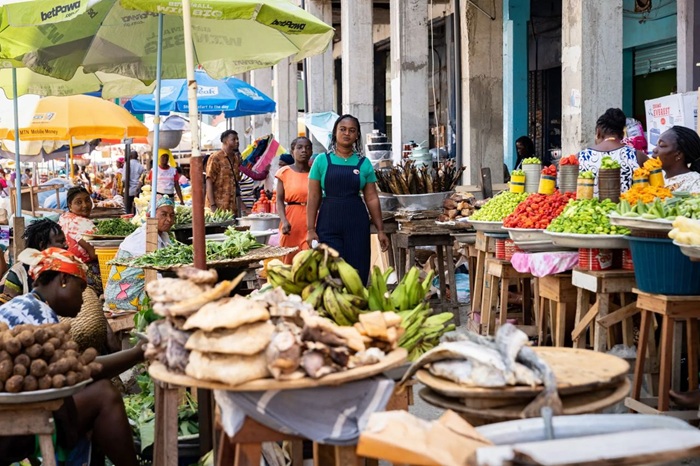
The findings suggest that although macroeconomic indicators may show relative stabilization in some areas, the lived reality for many Ghanaians remains challenging. From open-air markets to retail supermarkets, rising food prices continue to dominate everyday conversations.
Beyond the cost of living, unemployment emerged as the single biggest national concern. Forty-six percent of respondents identified joblessness as the country’s most pressing challenge, highlighting anxieties about income security and economic opportunity.
Environmental concerns also featured prominently. Thirty percent of those surveyed cited illegal mining, commonly referred to as galamsey, as a major issue, reflecting growing alarm over water pollution, land degradation, and long-term ecological damage.
Corruption and broader economic management were also mentioned among key worries, but the survey indicates that immediate, personal economic pressures, particularly food affordability and employment are foremost in the public consciousness.
Interestingly, despite widespread concerns about prices and jobs, President John Dramani Mahama maintains a strong approval rating of 68 percent, according to the poll. The data suggest that while citizens are grappling with economic strain, many remain cautiously optimistic about the country’s direction under current leadership.
Analysts say the findings highlight a complex public mood: economic anxiety tempered by measured political confidence. The disconnect between statistical economic improvements and household-level experiences may also explain why inflation remains a dominant issue in public discourse.
The IEA poll paints a picture of resilience amid strain. While policymakers focus on fiscal consolidation, growth targets, and macroeconomic reforms, the survey underscores a fundamental reality for most citizens, economic performance is measured not in percentage points, but in the price of rice, gari, cooking oil, and transport fares.
As Ghana navigates ongoing economic adjustments, the data serve as a reminder that sustaining public confidence will depend not only on headline growth figures, but on tangible relief felt in markets, kitchens, and pay packets across the country.



