

Breast Cancer Project Key to Early Detection, Survival – Dr Amesiya
By Praisebell Rosemond Larbi
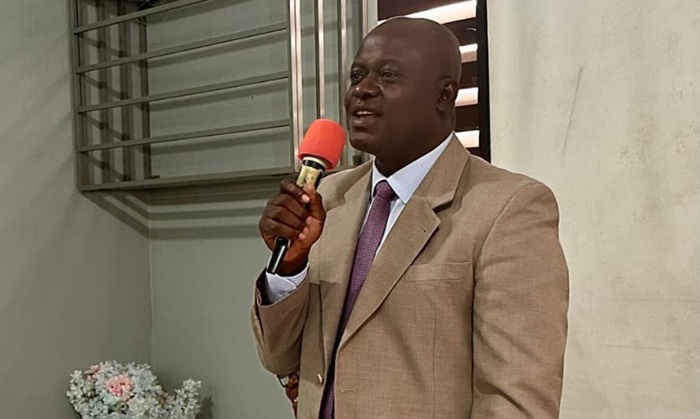
The Regional Director of Health Services, Dr Robert Amesiya, has underscored the urgent need for intensified public education, early screening and coordinated stakeholder action to reverse the rising burden of breast cancer among women in Ghana.
Speaking at a Regional Media Engagement Programme for the Beat Breast Cancer Project held on Wednesday, February 4, 2026, at the Regional Training Unit in Adabraka, Dr Amesiya described breast cancer as a “silent but devastating public health challenge” that continues to claim lives largely due to late detection.
The programme brought together the Greater Accra Regional Minister, media practitioners, traditional and religious leaders, development partners, health professionals and civil society actors to strengthen advocacy around breast cancer awareness and early care.
According to Dr Amesiya, breast cancer remains the most common cancer among Ghanaian women and one of the leading causes of cancer-related deaths, not because it is untreatable, but because many women report late to health facilities when the disease has already advanced.
“Facilities in the Greater Accra Region are seeing increasing numbers of women presenting with breast cancer, but unfortunately most of them report late, at a time when very little can be done to save their lives,” he stated.
He stressed that this trend must change, noting that early detection significantly improves survival outcomes, making awareness and screening critical. “When breast cancer is detected early, survival rates are very high. This is why the Beat Breast Cancer Project is both important and urgent,” he added.
The Beat Breast Cancer Project is being spearheaded by JHPIEGO, with funding from the Pfizer Foundation, and implemented with the support of the Ministry of Health (MoH) and the Ghana Health Service (GHS). The initiative aims to strengthen early detection, diagnosis and treatment of breast cancer, particularly at the community and primary healthcare levels.
Dr Amesiya outlined key interventions under the project in the Greater Accra Region, including the rollout of a comprehensive breast cancer programme, capacity building for health workers in clinical breast examination and early detection, community education on breast cancer warning signs, and improvements in diagnostic access and patient referral pathways to ensure timely treatment.
He highlighted the critical role of the media in the success of the project, urging journalists to use their platforms to dispel myths and misinformation surrounding breast cancer, encourage women to seek screening early, share survivor stories to inspire hope, and hold duty bearers accountable for improving breast cancer services.
“As media practitioners, your role is extremely important. You shape public perception, influence behaviour and can literally help save lives,” he noted.
In his concluding remarks, Dr Amesiya called for collective responsibility in the fight against breast cancer, assigning clear roles to key stakeholders. He urged the media to lead sustained advocacy, community leaders to help break stigma, health workers to remain compassionate and vigilant, women and families to prioritise early screening, and partners such as JHPIEGO to continue investing in prevention and early care.
He expressed optimism that with sustained collaboration, education and advocacy, Ghana can achieve a future where no woman dies from breast cancer due to lack of information or access to timely care.
“I thank you all for your partnership and dedication to this fight. Together, we can ensure that no woman dies simply because she did not know, did not hear, or could not access care in time,” he concluded.



