

Ghana’s Tourism Revenue Hits $500m in December
By Praisebell Rosemond Larbi
Ghana generated an estimated $500 million in tourism revenue in December 2025 alone, highlighting the growing importance of the sector to the country’s economic diversification agenda, Professor of Tourism and Marketing Management, Prof. Gabriel Eshun, has revealed.
Speaking on the Business Breakfast show, Prof. Eshun said the strong performance during the peak festive season reflects Ghana’s rising profile as a cultural, heritage, and leisure destination, particularly among visitors from the African diaspora and international markets.
“In December 2025 alone, Ghana earned an estimated 500 million dollars from tourism activities. This shows just how critical tourism has become to our economy and how much potential the sector holds if we position it properly,” he said.
According to Prof. Eshun, December has evolved into a strategic tourism period for Ghana, driven by a range of cultural festivals, entertainment events, heritage tours, and business travel that collectively attract thousands of visitors into the country. He noted that spending during the period cuts across accommodation, transportation, food services, entertainment, retail trade, and tour operations, generating income for both large enterprises and small businesses.
“Tourism is one of the few sectors where spending is spread across many layers of the economy. Hotels, transport operators, food vendors, event organisers, tour guides and even small traders all benefit when tourists come into the country,” he explained.
Prof. Eshun stressed that the strong December performance reinforces the argument for tourism to be treated as a major pillar of Ghana’s economic growth strategy, capable of delivering foreign exchange, jobs, and inclusive development.
He further argued that Ghana must deliberately position itself as the preferred tourism destination in Africa, citing the country’s political stability, rich cultural heritage, historic sites, hospitality, and improving infrastructure as key competitive advantages.
“Ghana has all the fundamentals to become Africa’s number one tourism destination. What we need now is consistency in policy, quality service delivery, and a strong, coordinated branding strategy that tells our story to the world,” he stated.
The tourism expert also called for sustained investment in infrastructure, including roads to tourist sites, airport expansion, accommodation facilities, and digital platforms that make travel planning easier for visitors.
“Tourism thrives on experience. From the moment a visitor lands to the time they leave, every interaction matters. Infrastructure, safety, cleanliness and professionalism must all work together to deliver a memorable experience,” Prof. Eshun added.
He also advocated the development of year-round tourism products to reduce overreliance on the December peak season, noting that this would stabilize revenues and create more consistent employment opportunities.
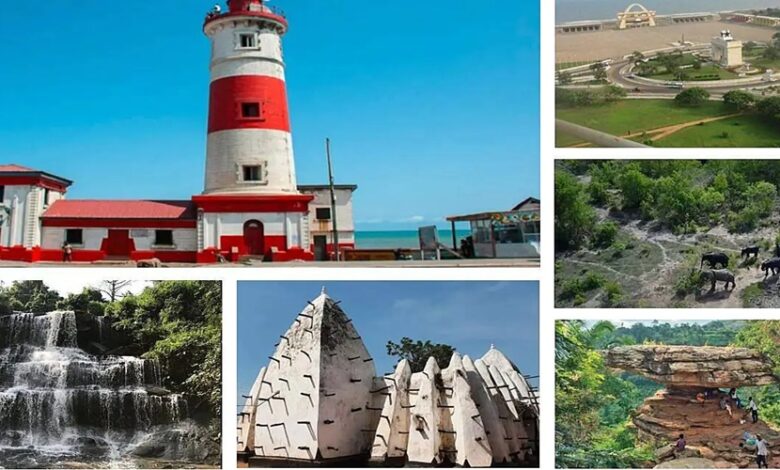
Ghana’s tourism sector has gained increased global attention in recent years through heritage tourism, cultural festivals, music, arts, and diaspora engagement initiatives, with December emerging as a major driver of arrivals and spending.
Industry observers say the reported $500 million tourism revenue figure further underscores the sector’s potential to support economic growth, deepen foreign exchange inflows, and position Ghana as a leading tourism hub on the African continent.



