

Diaspora Skills Key to Ghana’s 24-Hour Economy Push – Ambassador Smith
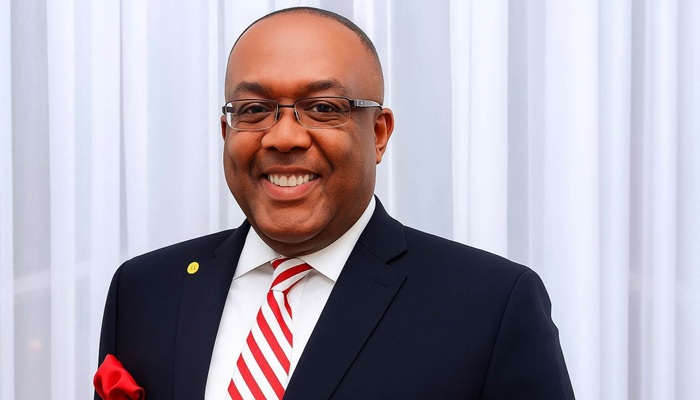
Ghana’s Ambassador to the United States, Victor Emmanuel Smith, has underscored the critical role Ghanaian students abroad can play in accelerating national development, particularly the government’s 24-hour industrialisation agenda.
Speaking during a courtesy visit by the Graduate Students Association of Ghana (GRASAG) at the Ghana Embassy in Washington, D.C., the Ambassador highlighted the strategic importance of harnessing the skills, innovation and global exposure of Ghanaian graduates trained in the United States. He noted that Ghana’s drive toward industrial and economic transformation will largely depend on the availability of skilled human capital and strong engagement with the diaspora.
According to Ambassador Smith, Ghanaian students studying abroad are exposed to advanced technologies, research methods and professional standards that can significantly boost productivity and competitiveness when applied back home. He stressed that beyond technical expertise, returning graduates also bring valuable professional networks and international perspectives that can help unlock investment opportunities and support entrepreneurship.
The meeting provided a platform for discussions on challenges confronting Ghanaian graduate students in the U.S. and ways to strengthen their contribution to national development. Ambassador Smith commended GRASAG for its advocacy on behalf of students and called for more structured partnerships between the Embassy and Ghanaian student associations abroad. He explained that such collaboration is essential not only to support students academically and professionally, but also to align diaspora efforts with Ghana’s broader development priorities.
Touching on the 24-hour industrialisation agenda, the Ambassador said diaspora expertise could play a major role in driving innovation, expanding industries and supporting round-the-clock economic activity. He reiterated the Embassy’s readiness to serve as a bridge connecting Ghanaian students, professionals abroad and opportunities at home.
GRASAG President Yao Kuwornu, who led the delegation, briefed the Ambassador on the association’s initiatives, including mentorship programmes, networking platforms and community outreach activities aimed at supporting students and linking them to opportunities in both Ghana and the United States.
At the end of the engagement, both parties agreed to explore practical collaborative initiatives such as scholarship facilitation, enhanced mentorship frameworks and pathways to integrate the skills of Ghanaian students into diaspora-led businesses and national development programmes, with a commitment to sustained engagement going forward.



