Ghana Unveils 2023 SDG Budget Report, Signals Stronger Commitment to 2030 Targets
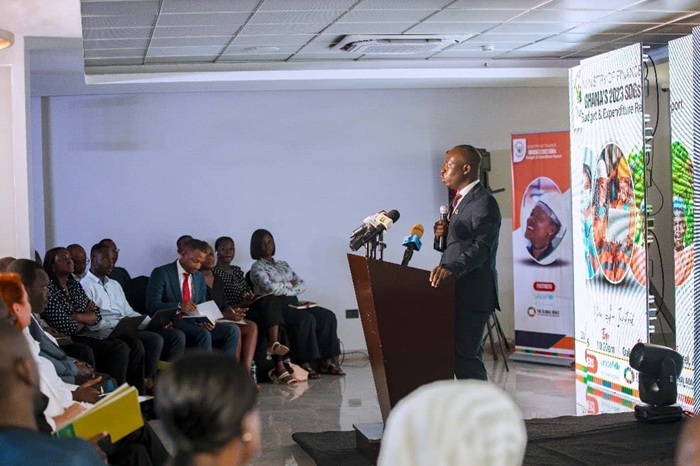
Ghana has renewed its pledge to meet the Sustainable Development Goals (SDGs) by 2030 with the release of the 2023 SDG Budget and Expenditure Report a detailed document outlining how national resources are being channelled into health, education, social protection, human capital development, and other priority areas.
The report reveals a major surge in SDG-linked spending, rising sharply from GH¢83 billion in 2022 to GH¢180 billion in 2023. According to officials, the increase represents one of the most significant financial commitments to the SDGs within the sub-region. They say the expansion reflects government’s deliberate effort to embed SDG financing into the national budgeting process, ensuring that development interventions are supported by clearly verifiable expenditure.
The launch attracted strong commendation from the United Nations Children’s Fund (UNICEF), which praised Ghana’s SDG accountability architecture as one of the most advanced and transparent in the world. UNICEF noted that only a handful of countries have adopted a tracking system that links specific budget allocations directly to SDG targets.
“There are very few countries that have been brave enough to take this step, to really have this kind of accountability tool in place,” said Ms Paulina Sarvilahti, Chief of Social Policy and Inclusion at UNICEF Ghana. “It’s laudable that the Ministry of Finance is a frontrunner in this. Ghana’s data-driven approach provides a solid foundation for accelerated progress.”
She added that despite a challenging global environment, characterised by economic pressures and lingering post-pandemic effects, Ghana’s strengthened tracking framework ensures that resources reach intended beneficiaries. “Overall, it’s great that we have this strong commitment from the government and that there is really a strong push towards this,” she said.
A key addition to this year’s report is the inclusion of child-specific indicators, which UNICEF described as a major step forward. UNICEF Country Representative, Mr Osama Makiawi Khogali, emphasised that this development would allow policymakers to prioritise investments for children, many of whom face significant levels of deprivation. He observed that 73 per cent of Ghanaian children experience multidimensional poverty, while 28 per cent face monetary poverty.
“Ghana has made important progress, but we must be more targeted, more decisive,” Mr Khogali said. “As we observe World Children’s Day, this report reminds us that investing in children is investing in the nation’s long-term development.”
Director of Budget at the Ministry of Finance, Mr Isaac Fraikue, expressed confidence in Ghana’s ability to meet its 2030 deadline. He said the SDG tracking mechanism has now become an integral part of government operations, enabling officials to identify implementation gaps early and make timely adjustments.
“We will definitely meet the targets by the time they are due because we are working so hard as a country,” he said. “Developing this report is more than just tagging and tracking budgetary applications and associated expenditures. It tells the story of Ghana’s development journey, reflecting our resolve to ensure that no one is left behind whilst aligning our national priorities with a shared global vision for a better future.”
Mr Fraikue hinted that the next phase of the country’s SDG financing agenda will centre on localisation, equipping district assemblies and local authorities to plan, track, and report SDG-related spending more effectively. He added that improved stakeholder engagement, deeper collaboration with development partners, and the use of real-time data would shape financial decisions in the coming years.
Representatives from UNICEF and civil society organisations present at the launch urged government to prioritise investment in social protection, child nutrition, and improved learning outcomes, stressing that stronger funding in these areas remains essential to Ghana’s development progress.