

EU reaffirms commitment to AfCFTA as key strategy to poverty reduction
By Maame Efua Kwaduah
The European Union has reiterated its commitment to the African Continental Free Trade Area (AfCFTA), highlighting trade and investment as essential tools for achieving shared prosperity across Africa and its global partners.
The move comes as the European Commission continues to emphasize the importance of regional economic integration in driving sustainable development and poverty reduction on the continent.
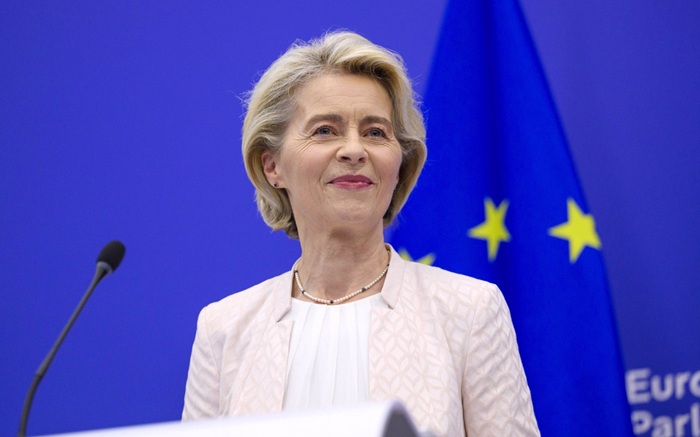
Speaking at the 7th African Union–European Union (AU–EU) Summit in Luanda, Angola, President of the European Commission Ursula von der Leyen expressed confidence that a successful implementation of the AfCFTA could unlock more than $400 billion for Africa.
She underscored that the trade framework offers significant opportunities for boosting economic growth, fostering industrialization and creating jobs across the continent.
The European Union also called on African countries to strengthen collaboration through its Global Gateway strategy.
The initiative is designed to enhance infrastructure development, promote entrepreneurship, and attract private investment as key drivers of sustainable development. By deepening trade and investment partnerships, the EU believes African countries can accelerate economic transformation and reduce poverty more effectively.
Observers note that the AfCFTA, which has been described as one of the largest free trade areas in the world, holds immense potential to transform Africa’s economic landscape.
By facilitating the free movement of goods, services, and capital, the agreement aims to create a single market of over 1.4 billion people.
The EU’s renewed support for the framework underscores its commitment to fostering a mutually beneficial partnership with Africa, encouraging investment flows, and supporting industrial and technological development.
The AU–EU Summit, which brought together leaders from both continents, also provided a platform for discussing broader cooperation in areas such as climate action, digital transformation and sustainable infrastructure. The European Union’s Global Gateway strategy complements these goals by offering African countries access to financing, technical expertise and investment opportunities that can help close critical development gaps.
In reaffirming its support for the AfCFTA, the European Union has made it clear that trade and investment remain among the most effective means of promoting prosperity, reducing poverty and driving economic growth across Africa.
As African nations continue to implement the agreement, collaboration with international partners such as the EU is expected to play a critical role in unlocking the continent’s full economic potential and ensuring long-term development.



