Gov’t Unveils GH¢302.5bn 2026 Budget, Prioritising Big Push Infrastructure and Energy Reforms
By Praisebell Rosemond Larbi
Ghana’s 2026 Budget has placed renewed emphasis on capital investment, with strategic allocations aimed at revitalising infrastructure, strengthening the energy sector, and supporting the government’s 24-hour economy initiative. The budget outlines an ambitious plan to accelerate growth through productive spending while maintaining fiscal prudence.
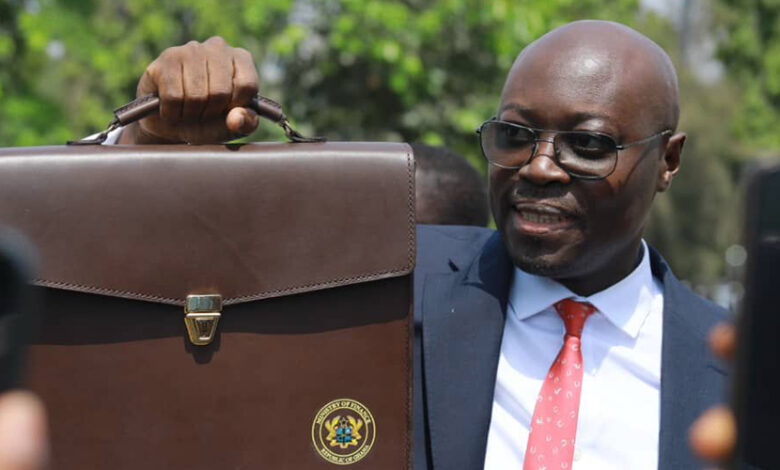
According to the budget document presented to Parliament by the Minister for Finance, on Thursday, November 13, 2025, Dr. Cassiel Ato Forson, total expenditure for 2026 is projected at GH¢302.5 billion, representing 18.9 percent of GDP. A significant portion of this amount is dedicated to capital projects under the Big Push Infrastructure Program and energy sector reforms, two pillars the government believes are central to Ghana’s economic transformation.
Under the Big Push Program, government has earmarked GH¢30 billion to fund large-scale road and bridge construction projects across the country. These include the Accra–Kumasi Expressway, designed to cut travel time between the two major cities by 50 percent while creating over 30,000 jobs, and the Adawso–Ekye Amanfrom Bridge, expected to unlock the agricultural potential of the Afram Plains and stimulate rural development.
“The Big Push is not just an infrastructure drive; it is a nation-building vision. We are connecting people, markets, and opportunities to ensure that growth is shared across every region,” Dr. Forson stated.
In the energy sector, the government is placing renewed focus on ensuring affordable and reliable power supply through gas-to-power initiatives, renewable energy expansion, and rural electrification. An allocation of GH¢15.2 billion has been made to cover energy sector shortfall payments, while GH¢4.8 billion has been set aside for clearing legacy debts owed to Independent Power Producers (IPPs).
Additionally, GH¢2 billion has been allocated for the Rural Electricity Acceleration and Urban Intensification Initiative, which aims to expand nationwide access to electricity and close the urban–rural energy gap.
To further reduce generation costs, government plans to implement new gas supply agreements with ENI and Jubilee partners, expected to deliver over 150 million standard cubic feet of gas per day. This will enable a gradual shift from light crude oil to natural gas in thermal power generation, potentially cutting production costs by as much as 75 percent.
Overall, the 2026 Budget reflects a deliberate shift toward productive, growth-oriented investment, positioning infrastructure and energy development as the backbone of Ghana’s industrialisation and inclusive growth strategy.
“Every cedi borrowed will deliver value, every repayment will build confidence, and every reform will secure Ghana’s fiscal future,” the Finance Minister affirmed, underscoring the government’s commitment to fiscal discipline, sustainable development, and national transformation.