BoG warns against careless handling of cedi
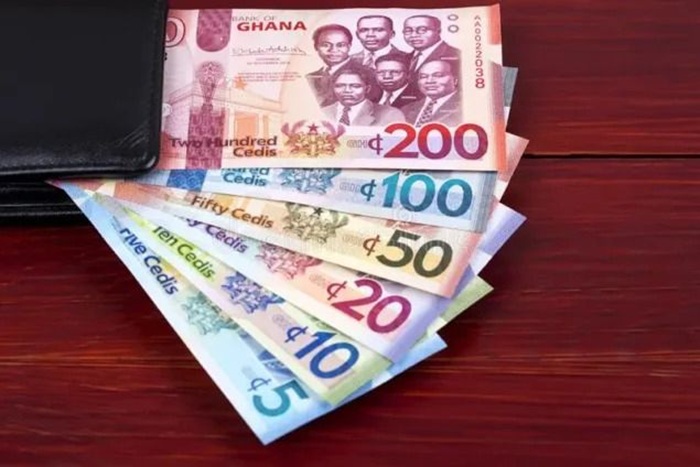
The Bank of Ghana (BoG) has urged the public to handle the national currency carefully, warning that poor currency management carries serious economic, technological, and reputational consequences.
Director and Head of Currency Management at the Bank, Mr Dominic Owusu, said mishandling cedi notes through folding, crumpling, defacing, or soiling undermines the durability of the notes and Ghana’s economic efficiency and international image.
Speaking in an interview on Monday, 27 October, Mr Owusu explained that dirty or damaged notes disrupt modern cash-handling technologies, making it difficult for machines to process them efficiently.
“For operational efficiency, when the currency is dirty, because of technological advancement today, you cannot even use counting machines to make them efficient,” he said.
Mr Owusu also highlighted the economic implications of replacing damaged notes, noting that Ghana does not print its own currency domestically.
“For economic policy, we do not use the cedi to print the cedi; we use foreign exchange, we use the dollar. Any mishandling of the currency contributes to its depreciation,” he explained.
Mr Owusu criticised a cultural trend where some Ghanaians crumple notes before giving them as gifts, describing it as wasteful and damaging.
“There is a culture in Ghana that when I want to give a gift, because I do not want to boast, I crumple it. Where did that come from? Why has that become a culture?” he asked.
Mr Owusu warned that crumpling, folding, or exposing notes to moisture and heat damages the protective features of the currency, accelerating wear and tear and increasing replacement costs for the central bank.
“Any time you crumple money, the protective features are destroyed. It becomes a cost to the nation and affects the image of the country,” he said.
The Bank of Ghana will officially launch the “Cedi@60” celebration on Wednesday, 29 October 2025, at the Accra International Conference Centre, to mark 60 years since the introduction of the Ghana cedi, a symbol of economic sovereignty and national pride.
Mr Owusu therefore urged all Ghanaians to treat the currency with respect, saying safeguarding the cedi’s integrity is both a patriotic duty and a pillar of economic stability.