

Onion, yam, rice among top inflation drivers
Despite bumper harvests across the country, key staples such as onions, yams, rice and their derivatives remain among the top drivers of inflation, underscoring deep-seated inefficiencies in the country’s food supply chain.
The latest Consumer Price Index (CPI) data from the Ghana Statistical Service (GSS) for September 2025 paints a paradoxical picture. Farmers are struggling to sell their produce at profitable prices amid gluts, while consumers continue to pay more at the market.
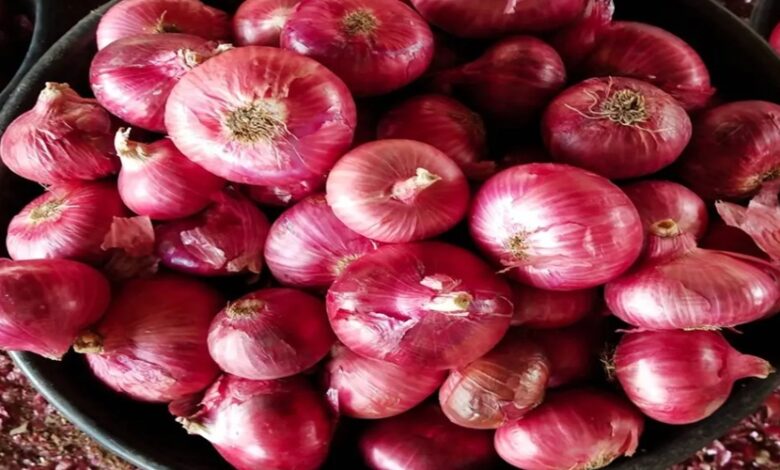
According to the report, onions recorded a 13.8 per cent month-on-month price increase. Yams showed a year-on-year rise but a slight monthly decline.
Even derivatives such as cooked rice (14.6 per cent) and kenkey with fried fish (18.2 per cent) made the list of the top 20 inflation drivers, despite the availability of their raw inputs.
This contradiction, analysts say, reflects systemic inefficiencies beyond the farms. Transportation bottlenecks, poor storage infrastructure, and heavy middlemen mark-ups are inflating consumer prices despite agricultural abundance.
In many northern farming communities, onion growers report that a bag of onions sells cheaply at the farm gate, but prices more than double by the time they reach Accra markets.
Similarly, rice farmers in the Volta and Northern regions say large volumes of local rice remain unsold, even as consumers in Kumasi and Accra continue to pay high prices for rice and rice-based meals.
“The issue is no longer about shortages. It’s about how food moves from farms to markets. Our supply chains are inefficient, and transport costs remain too high,” one agricultural economist noted.
Confirming these concerns, Government Statistician Dr Iddrisu Alhassan urged the government and private sector to focus on improving logistics and efficiency.
“Invest in efficiency and local supply chains while inflation is low. Cut waste, strengthen sourcing from local producers, and pass cost savings to consumers where inputs are cheaper,” he advised. Dr Alhassan further called on the government to focus resources on keeping food prices low by strengthening storage, irrigation, and transport systems.



