NIA threatens service cut to GRA, NHIA, passport office over $457m debt
By Praisebell Rosemond Larbi
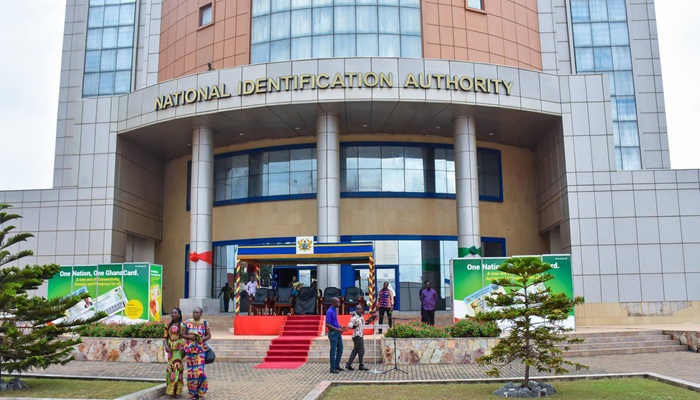
The nation faces the prospect of widespread service paralysis as the National Identification Authority (NIA) warns it will disconnect multiple government institutions from its Identity Verification System (IVS) on 1 October 2025 over an unpaid debt exceeding USD457 million.
Debt at the Core
Acting NIA Chief Executive Officer Wisdom Yayra Koku disclosed that the arrears owed primarily by the Ghana Revenue Authority (GRA), National Health Insurance Authority (NHIA) and the Passport Office have undermined the NIA’s capacity to maintain the IVS, the digital backbone that enables real-time Ghana Card verification for both public and private services.
“Without the IVS, many essential services grind to a halt,” Mr Koku warned, stressing that the debt threatens the integrity of the country’s digital governance infrastructure.
Revenue Collection in Jeopardy
The GRA depends heavily on the IVS for taxpayer registration, filing of returns and customs clearance. A disconnection would choke the flow of goods at ports, spark demurrage fees and create severe supply-chain delays.
Analysts caution that such disruption would directly cut state revenues at a time when the government’s fiscal space is already stretched.
Passport and Travel Services Could Stall
The Passport Office also relies on NIA verification for every application. If the IVS is switched off, thousands of citizens seeking passports for education, medical care or business travel could see their plans collapse.
Airlines, travel agents and visa service providers would face cascading delays, with students and professionals missing critical overseas opportunities.
Health Insurance at Risk
The NHIA requires the IVS to enrol new members and validate claims. Without it, hospitals and clinics could be forced to demand cash payments from patients or postpone treatment because insurance coverage cannot be confirmed.
Health providers warn that delays in claim processing would cause liquidity challenges and could cost lives.
Broader Economic Impact
The private sector is not immune. Banks and other financial institutions use the IVS to satisfy know-your-customer (KYC) requirements.
A shutdown would stall account openings, loan approvals and remittance transactions.
Small businesses already struggling with tight margins could face layoffs or closure if access to credit dries up.
Governance Questions and Next Steps
Public-finance experts say the standoff reflects weak inter-agency financial discipline and delayed budget transfers.
“Government demands tax compliance from citizens, yet its own agencies default on obligations to each other,” one analyst noted.